Market Data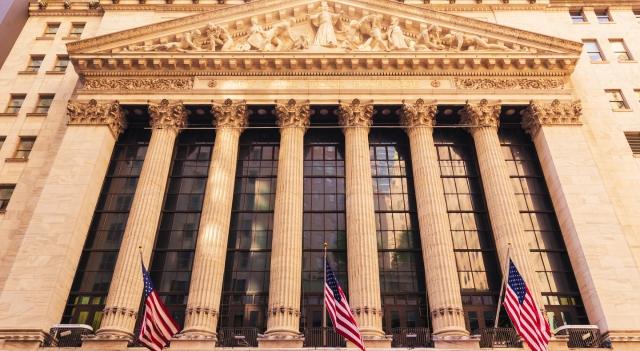
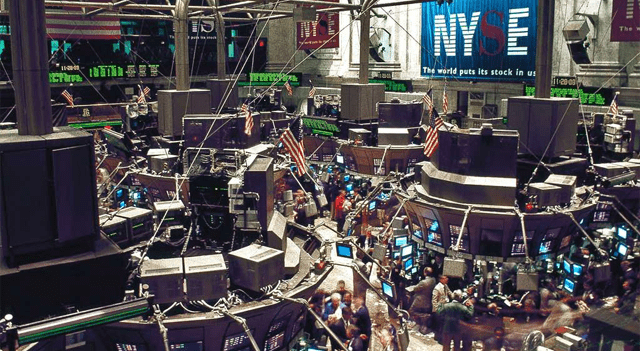
Stocks edged higher in trading on Thursday, following a mixed ruling on President Trump’s extensive tariff policies. A federal panel initially blocked some of his tariffs on China and major U.S. trading partners. However, another federal appeals court made moves to temporarily revive these tariffs later in the day, creating an uncertain landscape around the policy’s future.
The final numbers showed that the Dow Jones Industrial Average rose by 117 points, or 0.2%. Meanwhile, the S&P 500 saw an increase of 0.4%, and the tech-heavy Nasdaq grew by 0.3%. The decision by the U.S. Court of International Trade was a significant blow for Trump, as it invalidated tariffs on numerous countries that were announced in what was described as a ‘Liberation Day’ ceremony in the Rose Garden.
Yet less than a day later, the appeals court reinstated the tariffs on administrative grounds, giving the judges more time to evaluate the situation. The tariffs targeted several nations, and notably, included ones associated with Mexico and Canada concerning their linked roles in the fentanyl trade. Should the Court of International Trade’s ruling be upheld, it would negate a 10% tariff that Trump imposed on goods from nearly all countries.
The Trump administration wasted no time in appealing this ruling; word came just minutes after it was announced. Central to this legal drama is Trump’s unusual use of the International Economic Emergency Powers Act for tariffs. This 1977 law grants the president the authority to halt dealings with foreign adversaries deemed threats, though it does not explicitly allow for forfeiting tariffs. This has placed Trump in what could be characterized as uncharted legal waters.
The Court’s Wednesday ruling gives the administration around ten days to respond concerning the tariffs’ future. Before this ruling came down, it was noted that Trump had already rolled back some of the duties in question. Recently, a trade agreement between the U.S. and China led to a reduction in reciprocal tariffs, boosting market confidence. Wall Street firms have since adjusted their recession forecasts positively.
In addition, this U.S.-China agreement came on the heels of the White House’s suspension of reciprocal tariffs, with Trump lessening duties on certain goods from both Mexico and Canada. However, it is important to note that sector-specific tariffs, such as those on autos and metals like steel and aluminum, remain unaffected under different legal provisions.
Follow after hours trading on InvestorsHub
This content is for informational purposes only and does not constitute financial, investment, or other professional advice. It should not be considered a recommendation to buy or sell any securities or financial instruments. All investments involve risk, including the potential loss of principal. Past performance is not indicative of future results. You should conduct your own research and consult with a qualified financial advisor before making any investment decisions.
Some portions of this content may have been generated or assisted by artificial intelligence (AI) tools and been reviewed for accuracy and quality by our editorial team.

U.S. equity futures suggest a mostly unchanged open on Friday, signaling that stocks may carry over Thursday’s muted tone as investors await critical inflation figures. Market participants appear hesitant to make bold moves ahead of the release of consumer price data—a key input to the Federal Reserve’s policy decisions—due shortly after the opening bell. The […]




It looks like you are not logged in. Click the button below to log in and keep track of your recent history.


 Register for Free to get streaming real-time quotes, interactive charts, live options flow, and more.