The DCVax-L phase 3 trial was required by the FDA to employ a crossover design for ethical reasons in this rare, rapidly fatal cancer. Given the ethical considerations, the use of a concurrent external control arm was necessary and scientifically appropriate.
This concurrent control arm was meticulously constructed by an independent team of statisticians and epidemiologists from the University of Chicago, who, without being privy to the data from the DCVax-L trial, used basically only the clinical parameters listed on ClinicalTrials.gov. giving their analysis substantially the same scientific impact of an external control arm selected prior to the trial, even if that was not actually the case. Incredible care was taken to eliminate the bias for which the texts you refer is the primary concern and I think the FDA will take all of that into careful consideration and recognize it as very valid additional detail. Further, it was put together prior to unblinding, also a very important factor. Their analysis and creation of the control arm were conducted independently to ensure that the CONCURRENT control arm was as comparable as possible to the DCVax-L treatment arm, maintaining the integrity and robustness of the comparative analysis. They also did extensive statistical and mathematical analysis confirming that it was IN FACT statistically comparable to a very high degree of statistical confidence. Of course there will be some challenges in the data, but the FDA is ready to approve quite frequently where flexibility is appropriate and this is such a case, I believe, given their general principles for flexibility indicated in similar cases both for other cancers and for glioblastoma.
The FDA's current regulatory framework, influenced by the reforms of the 21st Century Cures Act and the objectives of the Cancer Moonshot program, has indeed emphasized flexibility and a more expedited approval process when there are clear indications of efficacy and a high unmet medical need. This regulatory environment favors treatments like DCVax-L that offer substantial survival benefits, quality of life improvements, and a commendable safety profile, especially in the context of an orphan disease such as glioblastoma.
There are established precedents where the FDA has exercised regulatory flexibility in the face of trial limitations but ethical imperatives and indications of benefit in devastating cancers. This has been evident in the approvals of innovative treatments like Vitrakvi, Impavido, and Vyxeos, where the FDA recognized the importance of bringing therapeutic options to patients with few or no alternatives.
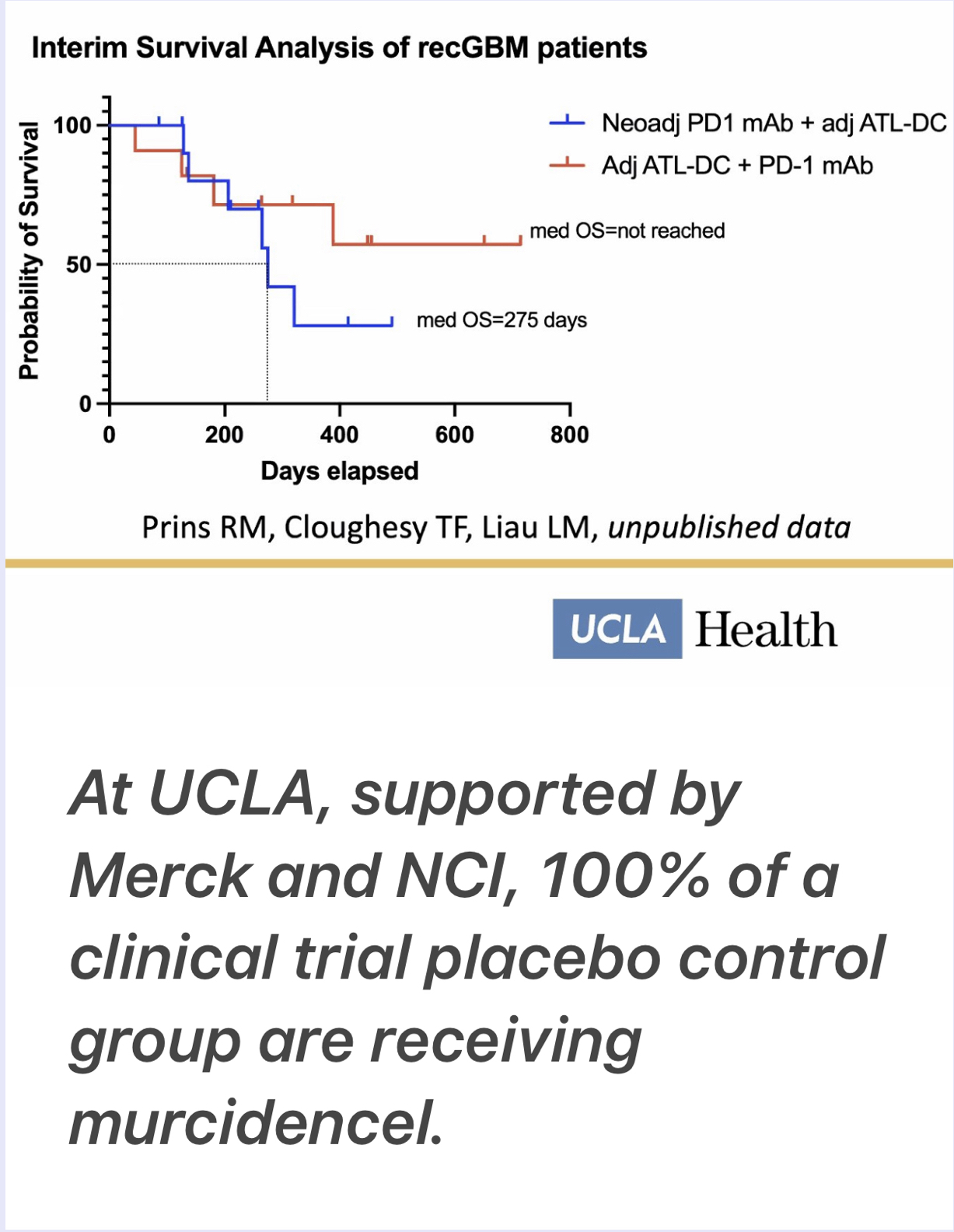
Thus, while the DCVax-L trial design was unconventional due to the necessary ethical considerations, the totality of evidence, including the use of an ethically imperative, concurrent external control arm, builds a strong case for approval under the FDA's current evolving principles for rare and serious cancers. The unmet need in glioblastoma and the significant survival gains observed with DCVax-L advocate for a flexible evaluation of the supporting data by the FDA. Given other approvals of really imperfect treatments for glioblastoma including novocure's optune approval when it failed its initial trial, and other treatments that failed to give survival benefits but were approved on spurious (in my opinion) grounds, I find it very unlikely that a drug with results such as DCVax-L, where survival benefits seem to be validated again and again in not only the Phase 3, but the earlier trials, concurrent side trials including the compassionate trial arm, the ongoing side trials with combinations at UCLA, and the many real patients who have received the drug ethically. It is very unlikely that 1) the UK would be approving compassionate use at this time if the trial was viewed as a failure; 2) that DCVax-L would have been given approval for a trial on the same grounds for it's pediatric trial or PIP approval; and 3) that DCVax would be allowed to be used as the standard of care in UCLA's current trial introducing the use of Keytruda as a combination treatment for recurrent glioblastoma.
Further, there is substantial support from doctors in the field treating GBM at top institutions globally, as we know form all of the doctors that signed the Phase 3 analysis in JAMA Oncology, patient advocacy groups have taken up advocating for its approval including the most prominent such patient advocates here and abroad, and many patients will likely also be advocating for approval. I think it is highly unlikely that the FDA will not approval this drug. That's my opinion, but I think I have a very strong basis to make that judgment after my own due diligence, regardless of the noise that comes from shorts, who have consistently been proven wrong across the board.

Bullish


 Market Data
  Markets


 AI
AI