Electromagnetic Interference and Compatibility in Electric Vehicles
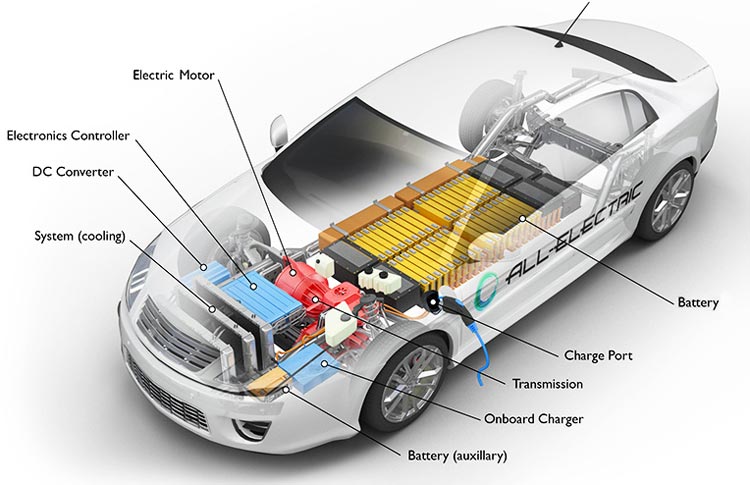
If we see the electric vehicle architecture large amount of electrical and electronic systems placed into a confined space. This causes electromagnetic interference or cross talk between these systems. If EMC not maintained properly these systems may malfunction or even may fail to operate.
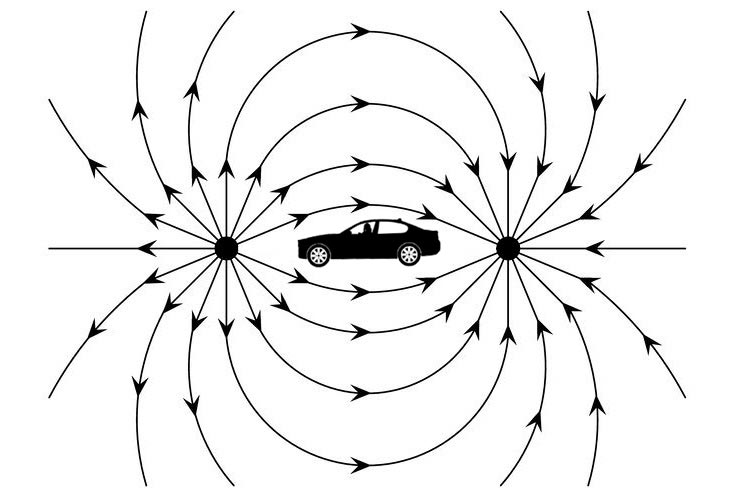
Below is the images showing the additional internal sources of EMI in an EV. While there are sources within ICE vehicles as well, they are fewer in number and more importantly the size of the EM fields are significantly smaller and less powerful. This is because the voltage and amperage does not come close to that which EVs require. For example:
Let consider an electric vehicle with 100KW electric drive operating at 400V means it is having current of 250A which creates a strong magnetic field. While designing the vehicle we have to assess EMC (Electromagnetic Compatibility) of all these subsystems and components to ensure components safety along with living beings safety.
One of the problems with established guidelines for proper EMC maybe because of the following:
Outside tests are done in a real-world on road driving conditions. In these tests the vehicle under test need to drive with maximum acceleration and deceleration to ensure maximum current during traction and regenerative braking. These tests will be performed on straight road where the magnetic fields due to earth is constant and in some cases on steep slope roads.
Automotive companies test their cars during calm geomagnetic activity. They have no way of being able to factor in potential magnetic variance from earths geomagnetic activity. On May 28th & 29th, 4 Electric Vehiclles went out of control in a similar manner all over the US. A Toyota in Maine on the 28th and Teslas in Michigan, Florida, & California. You never know where surface magnetic activity will interfere with a passing EV.
If proper levels of EMC are not established, and I suspect current standards are not stringent enough, then the electronic systems within EVs can and do glitch. Lets look at some susceptible systems:
Susceptible systems include advanced driver assistance systems (ADAS) functions, global navigation satellite systems (GNSS) navigation, tire pressure monitoring sensors, and collision-avoidance radar, essentially any circuit that employs analog small signal chains. Battery management systems and onboard chargers are other examples of high-power electronic circuits used in an EV. As mentioned earlier, conducted EMI from cables and interconnects attached to power electronic systems are also likely causes of erratic and unreliable behavior.
Have you read about any of these systems glitching it Teslas? I know ive posted some of them.
Here are some other systems that commonly glitch do to EMI and almost every system has been recalled in Teslas at least once:
Irrespective of the type, EMI in electric vehicles impairs the normal functioning of the electronic systems in them. The most common malfunctions are experienced in audio systems, engine control units, GPS navigation systems, antilock braking systems, air-bag controls, car alarms, collision warnings, and avoidance controls. As the strength of the EMI field in electric vehicles increases, the severity of the electromagnetic compatibility issues also increases.
Thèse was an increase in geomagnetic activity late yesterday which is still ongoing today, Tiffany's experienced a fire from a transformer.
Tiffany's flagship store in Manhattan was ablaze following electrical fire, authorities say
The fire department said they received a report of a transformer fire at 9:38 a.m. and there were no injuries immediately reported.
A representative for Tiffany & Co. said in a statement Thursday an electrical fire began in the basement.
"This morning prior to store opening hours, an electrical fire broke out in the basement on the periphery of the Tiffany Landmark on Fifth Avenue in New York City.


 Market Data
  Markets


 AI
AI