News Focus
News Focus
icon url

SkyLimit2022

12/11/22 5:32 PM

#547525 RE: HyGro #547521

Thanks for your comments.

Data collected from ECA comparison only comprise a fraction of the clinical efficacy data that exist for murcidencel today.

Murcidencel has been studied in three trials—only one of those three relied on an ECA. All clinical data are relevant to a regulatory application including those data gathered from other studies, interim analyses, and compassionate use. All three trials have produced substantial safety and efficacy data, and two of the three clinical trials ran for over a decade with survivors alive today.

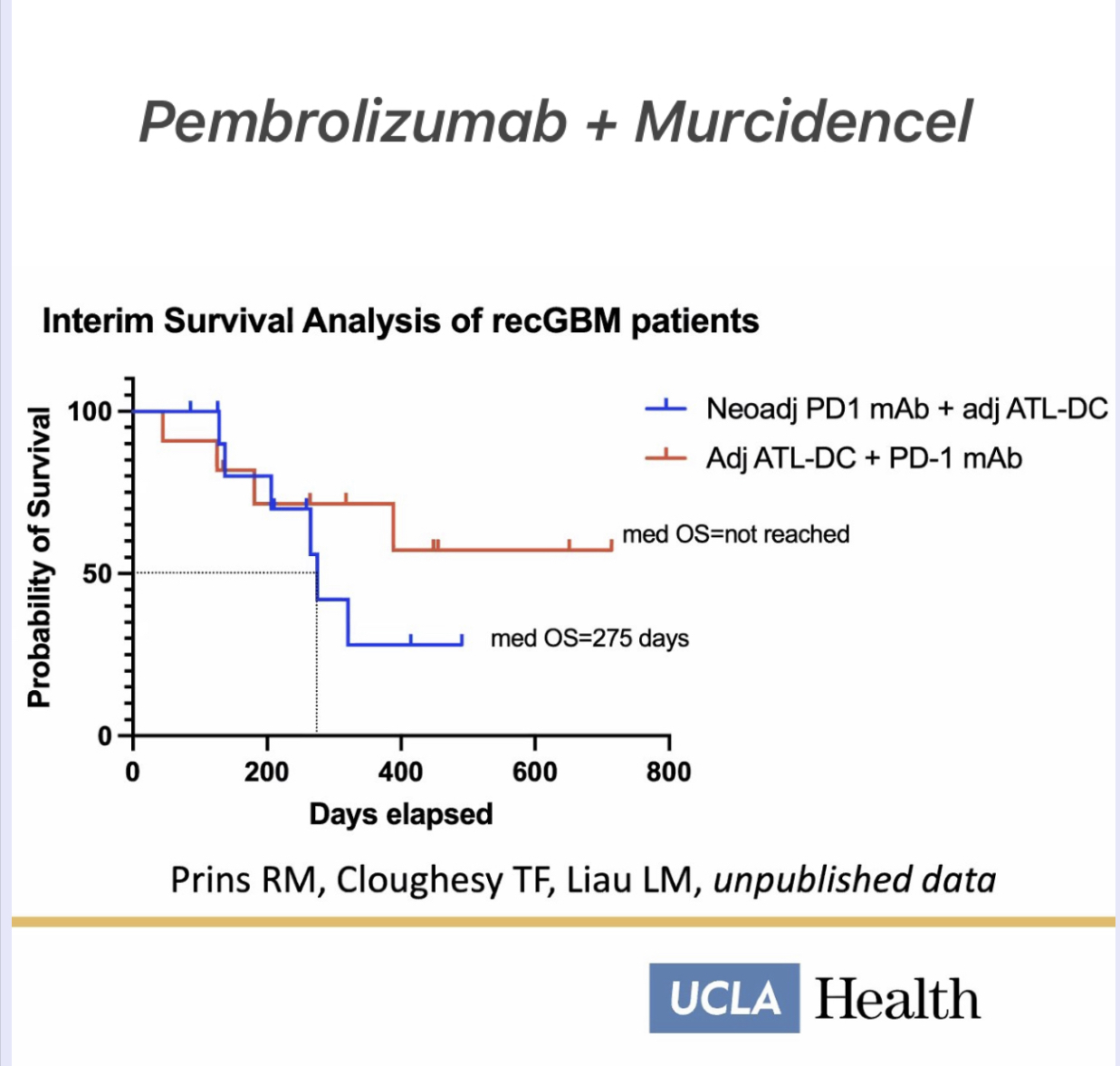
Here is the Keytruda trial currently underway at UCLA. It is registered on the U.S. National Institutes of Health clinical trial registry. This study is not using chemo or radiation for any trial participants:

https://clinicaltrials.gov/ct2/show/NCT04201873


Murcidencel (DCVax-L) is discussed beginning at minute 40, to focus on Keytruda (pembrolizumab) plus DCVax in combo at UCLA, skip to minute 45:40


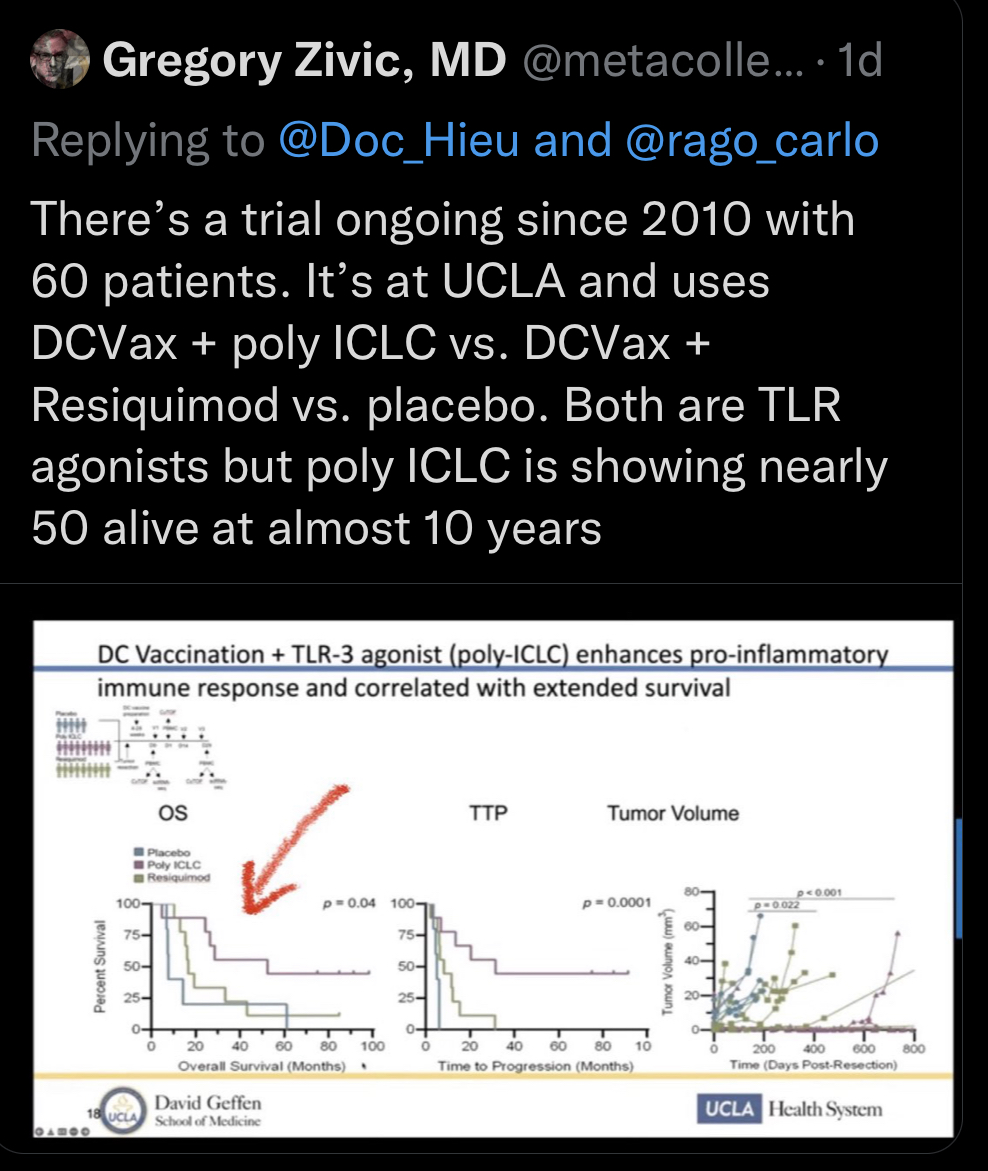
The ICLC trial is the second long-running study. Liau will be presenting analysis of the ICLC murcidencel data soon—keep an eye out for the date and venue! I believe she said that it will be at an academic conference.


The P3 clinical trial is the well-publicized study that has gotten more attention than the other clinical studies since it was published in JAMA.

This video is about the P3, but the pembrolizumab interim survival data are presented, and the ICLC trial is mentioned.


https://jamanetwork.com/journals/jamaoncology/fullarticle/2798847
Bullish
Bullish
icon url

Roman516

12/11/22 5:43 PM

#547529 RE: HyGro #547521

By classic DD as opposed to personal comments and opinions. The good news is that DCVax-L works and when added with other compounds extends life potentially 50% out to 100 months. This could render other nGBM and rGBM cancer curing products not worth using when DCVax-L will continue to prevail, NWBO is on the right path, IMPO.
icon url

Dr Bala

12/11/22 6:02 PM

#547538 RE: HyGro #547521

This post is full of fabrications. The JAMA article refutes almost all of these fabrications.
icon url

SkyLimit2022

12/11/22 6:12 PM

#547539 RE: HyGro #547521

Thanks for your opinion—Yes, the FDA is always circumspect in their decisions.

Beyond the significance of years of clinical survival data from three separate clinical trials, there are two other crucial factors to consider before approval can be awarded:

1. Safety Profile/Benefit-Risk Analysis
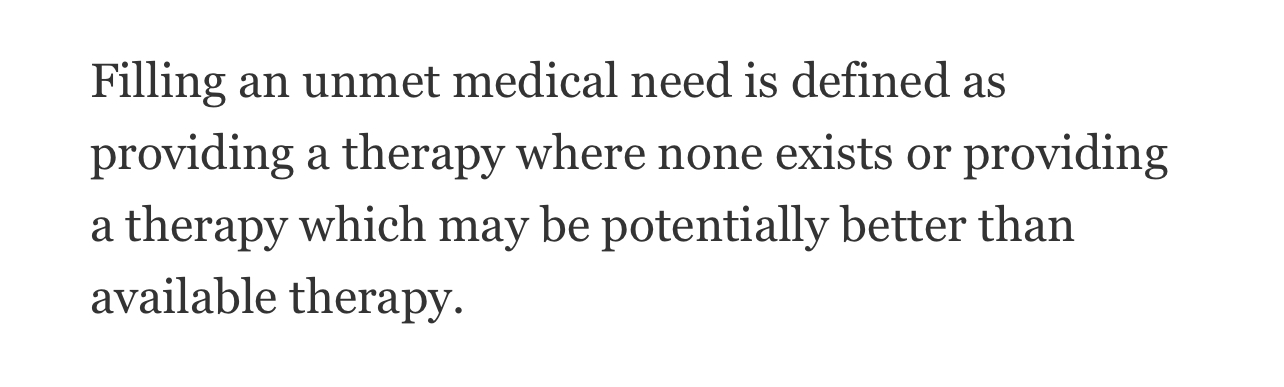
2. Unmet Medical Need


Then, perhaps further consider its use in combo based on interim survival data:


https://www.fda.gov/patients/fast-track-breakthrough-therapy-accelerated-approval-priority-review/fast-track


https://jamanetwork.com/journals/jamaoncology/fullarticle/2798847

https://www.uspto.gov/about-us/news-updates/uspto-announces-cancer-moonshot-expedited-examination-pilot-program
Bullish
Bullish
icon url

biosectinvestor

12/11/22 6:18 PM

#547542 RE: HyGro #547521

Well, you can downplay the UK, but the UK and US tend to be very much aligned.

As for coverage, Car-T requires hospitalization and patients can have incredibly bad reactions that can ultimately make it cost up to a million USD or more in coverage here and likely in the UK it is a huge drain on resources. So it is prioritized to the patients who need it most, as there are other treatments that are considered first line treatment, even here.

The UK also has hesitance and will not cover Optune, which they do not see a compelling cost to benefit justification for its use. Optune costs 240,000 per year, and doesn't end, and can add up to 480,000 or more if a patient survives 2 years and then it just keeps going if they are a long-term survivor, which is unlikely, but certainly can happen.

DCVax-L can be given while a patient sits comfortably in their doctor's office. It is easily dispensed with a shot. It has a set cost, and last we knew that might be substantially less than Optune, and of course it's a 2 year regimen generally that they would want to make from a patients tumor and dendritic cells. If a patient recurs, of course, it can be made again, on the new tumor. But for the patients in the clinical trial, they got their one time creation of dosages and they still substantially increased survival and then also the long-tail more than doubled. With combinations, with other drugs that are approved in the UK, Europe and the US, those survival numbers may be substantially improved, and they are educating the immune system to identify cancer and kill it. The benefit is broad for cancer patients, and some with the worst prognosis do best in comparison to their expected outcome otherwise on the current SOC.

There is no comparison.

And I expect if the UK approves, the US will likely approve and vice versa.
Bullish
Bullish