



 AI
AI







Saturday, December 16, 2023 1:22:01 PM
PM,
Thank you for asking about the Specials Program. Revenue might not be the most relevant consideration on this topic as the Specials data might have more value in the long run…
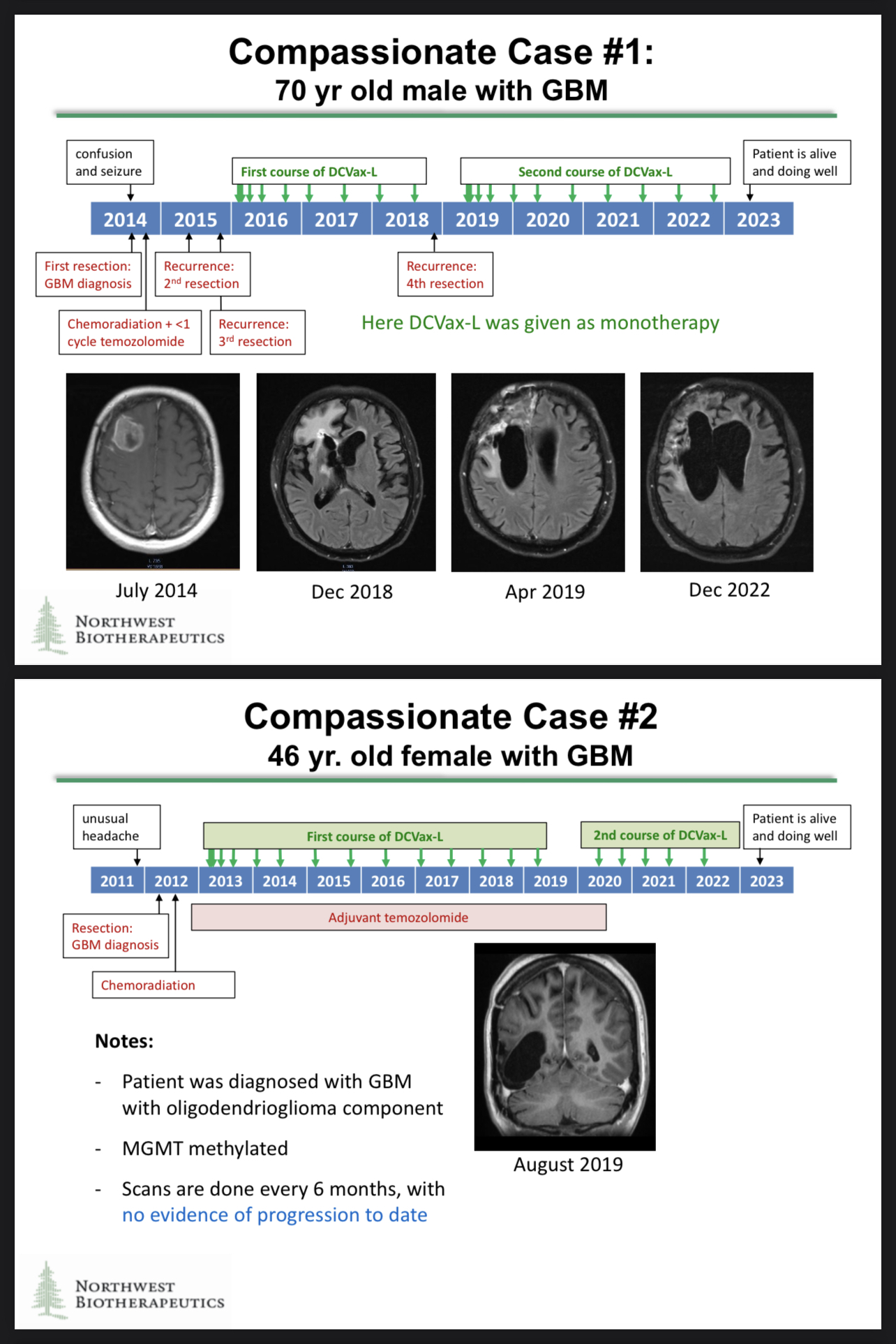
The compassionate use cases generated some astonishing data, and those data may be included in the regulatory filings!

https://t.co/082urSTQ0s

https://www.braintumourresearch.org/media/news/news-item/2022/11/18/astonishing-results-for-brain-tumour-vaccine-trial
LC’s suggestion of using AI to supplement responses to postings on messages boards was actually a good idea!
“Yes, compassionate use data, also known as expanded access or named patient programs, can be included in regulatory submissions for drug approval. Compassionate use refers to the use of an investigational drug outside of a clinical trial to treat a patient with a serious or life-threatening illness for whom no other treatment options are available.
Regulatory agencies, such as the U.S. Food and Drug Administration (FDA), recognize that compassionate use programs can provide valuable information about a drug's safety and potential efficacy. However, the inclusion of compassionate use data in regulatory submissions is subject to certain conditions:
1. **Data Quality and Relevance:**
- The compassionate use data must meet the standards of quality, relevance, and reliability expected in clinical trials. Robust data collection and reporting practices are crucial.
2. **Consistency with Regulatory Requirements:**
- The data collected under compassionate use should align with the regulatory requirements for the type of approval sought (e.g., New Drug Application, Biologics License Application).
3. **Ethical Considerations:**
- Ethical considerations surrounding patient safety and informed consent are essential. The compassionate use program should adhere to ethical standards, and patients should be well-informed about the risks and benefits.
4. **Corroboration with Controlled Clinical Trial Data:**
- While compassionate use data can be informative, regulatory agencies typically prioritize data from well-designed, controlled clinical trials. Compassionate use data may complement such trial data but is not a substitute for it.
5. **Regulatory Agency Consultation:**
- It's advisable to consult with the relevant regulatory agency early in the drug development process to discuss the potential inclusion of compassionate use data in regulatory submissions. Agencies may provide guidance on how this data can be integrated appropriately.” —ChatGPT
Thank you for asking about the Specials Program. Revenue might not be the most relevant consideration on this topic as the Specials data might have more value in the long run…
The compassionate use cases generated some astonishing data, and those data may be included in the regulatory filings!

https://t.co/082urSTQ0s
https://www.braintumourresearch.org/media/news/news-item/2022/11/18/astonishing-results-for-brain-tumour-vaccine-trial
LC’s suggestion of using AI to supplement responses to postings on messages boards was actually a good idea!
“Yes, compassionate use data, also known as expanded access or named patient programs, can be included in regulatory submissions for drug approval. Compassionate use refers to the use of an investigational drug outside of a clinical trial to treat a patient with a serious or life-threatening illness for whom no other treatment options are available.
Regulatory agencies, such as the U.S. Food and Drug Administration (FDA), recognize that compassionate use programs can provide valuable information about a drug's safety and potential efficacy. However, the inclusion of compassionate use data in regulatory submissions is subject to certain conditions:
1. **Data Quality and Relevance:**
- The compassionate use data must meet the standards of quality, relevance, and reliability expected in clinical trials. Robust data collection and reporting practices are crucial.
2. **Consistency with Regulatory Requirements:**
- The data collected under compassionate use should align with the regulatory requirements for the type of approval sought (e.g., New Drug Application, Biologics License Application).
3. **Ethical Considerations:**
- Ethical considerations surrounding patient safety and informed consent are essential. The compassionate use program should adhere to ethical standards, and patients should be well-informed about the risks and benefits.
4. **Corroboration with Controlled Clinical Trial Data:**
- While compassionate use data can be informative, regulatory agencies typically prioritize data from well-designed, controlled clinical trials. Compassionate use data may complement such trial data but is not a substitute for it.
5. **Regulatory Agency Consultation:**
- It's advisable to consult with the relevant regulatory agency early in the drug development process to discuss the potential inclusion of compassionate use data in regulatory submissions. Agencies may provide guidance on how this data can be integrated appropriately.” —ChatGPT

Bullish
Believe carefully. This is the greatest and most powerful lesson that I have learned since arriving on Earth. Examine what you believe about yourself most importantly, and then believe carefully as you interact with the world.
Recent NWBO News
- Northwest Biotherapeutics Appoints Dr. Annalisa Jenkins As Strategic Adviser To Advance Dendritic Cell Cancer Vaccine Platform • PR Newswire (US) • 04/30/2026 04:38:00 PM
- Northwest Biotherapeutics Appoints Dr. Annalisa Jenkins As Strategic Adviser To Advance Dendritic Cell Cancer Vaccine Platform • PR Newswire (US) • 04/30/2026 04:30:00 PM
- Northwest Biotherapeutics Announces Establishment Of the Company's Own Dedicated Leukapheresis Clinic • PR Newswire (US) • 04/21/2026 01:30:00 PM
- Northwest Biotherapeutics Announces Establishment Of the Company's Own Dedicated Leukapheresis Clinic • PR Newswire (US) • 04/21/2026 01:30:00 PM
- Form EFFECT - Notice of Effectiveness • Edgar (US Regulatory) • 04/21/2026 04:15:08 AM
- Form POS AM - Post-Effective amendments for registration statement • Edgar (US Regulatory) • 04/16/2026 09:25:30 PM
- Form 8-K - Current report • Edgar (US Regulatory) • 04/07/2026 04:30:50 PM
- Form NT 10-K - Notification of inability to timely file Form 10-K 405, 10-K, 10-KSB 405, 10-KSB, 10-KT, or 10-KT405 • Edgar (US Regulatory) • 03/31/2026 09:04:37 PM
- Form 8-K - Current report • Edgar (US Regulatory) • 01/15/2026 10:06:20 PM
- Form 8-K - Current report • Edgar (US Regulatory) • 01/02/2026 10:14:59 PM
- Form DEF 14A - Other definitive proxy statements • Edgar (US Regulatory) • 11/28/2025 09:43:27 PM
- Form 424B5 - Prospectus [Rule 424(b)(5)] • Edgar (US Regulatory) • 11/25/2025 10:23:07 PM
- Form 8-K - Current report • Edgar (US Regulatory) • 11/20/2025 09:26:03 PM
- Form PRE 14A - Other preliminary proxy statements • Edgar (US Regulatory) • 11/19/2025 09:15:48 PM
- Form 10-Q - Quarterly report [Sections 13 or 15(d)] • Edgar (US Regulatory) • 11/14/2025 09:44:21 PM
- Form 8-K - Current report • Edgar (US Regulatory) • 10/31/2025 04:29:10 PM
- Form 8-K - Current report • Edgar (US Regulatory) • 10/30/2025 08:40:05 PM
- Form 8-K - Current report • Edgar (US Regulatory) • 10/24/2025 04:28:38 PM
- Form 8-K - Current report • Edgar (US Regulatory) • 10/14/2025 06:22:26 PM
- Form 10-Q - Quarterly report [Sections 13 or 15(d)] • Edgar (US Regulatory) • 08/14/2025 09:00:38 PM
- Form 424B5 - Prospectus [Rule 424(b)(5)] • Edgar (US Regulatory) • 07/01/2025 09:04:38 PM



