You're more of a moron every time you sit town at the keyboard.
Around the world of mining vehicle electrification Nnamdi Anyadike 10–13 minutes
Nnamdi Anyadike looks at some of the big deals in fleet decarbonisation, driving mining fleets around the world towards electricity.
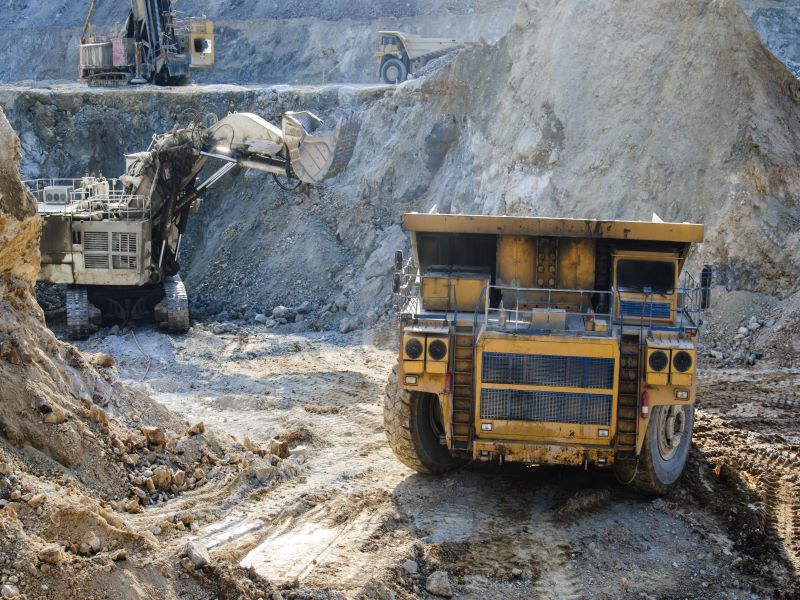
Electrification of mining vehicles will increasingly be in focus in the 2030s. Credit: BGStock72/Shutterstock.com.
The mining industry is starting to benefit from a new generation of low emission “driverless” mine vehicles that are transforming the image of the industry and heading towards decarbonisation. Electric vehicles (EVs), for use in both open pit and underground operations, are added to fleets either through purchase or by the retrofit of existing diesel engine vehicle fleets. GlobalData, the parent company of MINE, believes that electrification is advancing in underground projects faster than open pits, but that both will become a focus in the 2030s.
Turning electric: 1 million mining EVs by 2030
Companies like Toyota Motor Corp are at the forefront of developing these new mine vehicles. In May 2023, Toyota and Komatsu announced the launch of a joint project to develop an autonomous light vehicle (ALV) that will run on Komatsu’s GPS enabled Autonomous Haulage System (AHS). The joint project seeks to alleviate one of the main drawbacks of AHS-enabled autonomous haul trucks when they work alongside manual light vehicles. Currently, there is a serious risk of collision when both types of trucks run on haulage roads at the same time. But by introducing a common AHS system for both ALVs and heavy-duty vehicles, Komatsu and Toyota hope their collaboration will reduce the risk of collision, increase mine worker safety and improve site productivity. A concept ALV is already being tested at proving grounds and a proof of concept is expected to be rolled out at a customer site by approximately January 2024.


 Market Data
  Markets


 AI
AI