Don’t be fooled by bad information or irrational skepticism. Get your shots as soon as possible.
Aaron E. Carroll
Dr. Carroll is a professor of pediatrics at Indiana University School of Medicine and a contributing opinion writer. He writes often on health research and policy. Feb. 13, 2021
As the vaccines for the coronavirus become more ubiquitous, so do misinformation, myths and misconceptions about them. This is unfortunate, because these untruths delay acceptance of the vaccines, and widespread immunization is the fastest and best way to begin to return to a more normal way of life. Seven of the most common myths I’ve heard from patients, friends and colleagues follow, along with my rebuttals.
The vaccine hurts fertility, especially in young people.
For some reason, this is the most common false assertion I hear. Sometime last year, a German doctor and a former Pfizer employee raised a concern that the coronavirus’s spike protein — the material that makes up those sharp protruding bumps you see in depictions of the virus — was in some ways similar to a protein that is part of a healthy placenta’s functioning during pregnancy.
Therefore, they ventured, developing antibodies to the spike protein from a vaccine could lead to antibodies that might also attack a woman’s body when she was pregnant or trying to get pregnant, leading to complications. This theory is now widely circulated.
It is mistaken. The two spike proteins are distinct, and there is no evidence that the vaccination leads to antibodies that attack the placenta.
While the Pfizer trial of its vaccine attempted to exclude pregnant women, 23 pregnant women were a part of it, probably having gotten pregnant soon after vaccination. Two adverse events were seen in the trials: a spontaneous abortion and retained products of conception (placental or fetal tissue that remains in the uterus, often after miscarriage); both occurred in the placebo group. Anthony Fauci, President Biden’s chief medical adviser for the pandemic, said on Wednesday that more than 10,000 pregnant women have received the vaccine with “thus far no red flags.”
Once you’re vaccinated, you can go back to normal, pre-pandemic life.
This is, unfortunately, not true. I cannot stress enough how amazing the vaccines are: Those that are approved are proven to prevent symptomatic disease, as well as bad outcomes like hospitalizations or death.
But we don’t yet know whether they prevent asymptomatic infections. It is possible that vaccinated people could still become infected, be unaware and spread the coronavirus to others.
We hope to find out soon if this possibility is real or not; some of the early information coming out of other countries looks promising. But until we know with greater certainty, we still need everyone — even those who are immunized — to mask up, distance from others and remain careful.
When we hit herd immunity, this will all be over.
Herd immunity refers to a situation where enough protection exists in a community that exponential growth of infections is highly unlikely, if not impossible. The concept is usually discussed when diseases are rare, as with measles.
Herd immunity will protect us from large numbers of Covid-19 cases only once we have suppressed the disease. Nowhere in the United States are we near this point, though. The coronavirus is still hugely prevalent, and new variants may be even more contagious.
As communities achieve herd immunity, they will see slightly less Covid-19 the next day than they did the day before. It will not disappear overnight. Herd immunity will signal the beginning of the end of the pandemic — not the day we are done with it.
Side effects of this vaccine are much more severe than those of typical vaccines.
Allergic reactions are not a reason to avoid vaccination. Very few people given the vaccine have experienced anaphylaxis, a severe allergic reaction. More have experienced symptoms like aches, chills, pain and fever, but those symptoms are not usually worrisome: They are often signs that your body’s immune system is working. More severe occurrences, like deaths in frail, older patients, need to be investigated, but it’s entirely possible that this is a coincidence and not unexpected in that population.
In coronavirus vaccine studies, Bell’s palsy has seemed to occur more often in people who received the vaccine than in those who received the placebo. (Bell’s palsy is a temporary weakness or mild paralysis, usually affecting one side of the face.) It’s important to note, however, that among the general population, Bell’s palsy appears in about 15 to 20 people per 100,000 people each year. That is a higher rate than what occurred in the trials: Four of the 30,000 people in the Moderna trial (one in the placebo group) and four of the 44,000 people in the Pfizer trial developed Bell’s palsy.
The studies were rushed, and corners were cut.
First of all, more scientists were probably working on this one thing than have ever collectively focused on any one thing in the history of the world. We should expect progress.
We also had a number of head starts. A lot of exploratory and preclinical work had already been done on coronavirus vaccines because of SARS, or severe acute respiratory syndrome. In addition, because of significant public investment and a guaranteed worldwide market, many companies immediately devoted lots of resources to this task.
To be approved by the Food and Drug Administration in the United States, vaccines must clear three phases of study. The first is small (likely tens of people) and focuses on safety. The second is larger (maybe hundreds of people), involves people who have known risks for the disease and focuses on safety and whether there is some sort of biological response (specifically, antibody production).
Phase 3 involves large, randomized controlled trials (thousands to tens of thousands of people) that focus on effectiveness (that is, preventing illness) and side effects. With coronavirus vaccines, the process was highly accelerated, but all of these phases were completed and were reviewed by the Food and Drug Administration.
We’re also focusing (appropriately) on the few vaccine successes. Many companies failed or haven’t succeeded yet. Those vaccines that made it through the gantlet were thoroughly studied and found to be safe and effective.
Covid-19 is less dangerous than the vaccine.
People hear of the risks of side effects and assume they’re better off not getting vaccinated. They’re comparing those risks to perfect health instead of to the risk of Covid-19 itself. But assuming perfect health is unwarranted: Covid is prevalent and dangerous.
A vaccine that is ‘only’ 70 percent effective isn’t worth it.
As with so many things in public health, don’t let the perfect be the enemy of the good. It’s great that in trials the Moderna and Pfizer vaccines have been about 95 percent effective against symptomatic disease, but that level of effectiveness is not necessary. In trials Jonas Salk’s polio vaccine was 80 percent to 90 percent effective, and it changed the world.
This is a version of the perception problem that the flu vaccine faces every year. People refuse to get it because it’s not “good enough.” They miss that it’s “good.” The more people who get vaccinated, the more morbidity and mortality we avoid. The best coronavirus vaccine is the one you can get as soon as possible.
The Times is committed to publishing a diversity of letters to the editor. We’d like to hear what you think about this or any of our articles. Here are some tips. And here’s our email: letters@nytimes.com.
AstraZeneca Concerns Throw Europe’s Vaccine Rollout Into Deeper Disarray
"COVID-19 Vaccine Fact Vs. Fiction: An Expert Weighs in on Common Fears"
Police patrolling the Galleria Vittorio Emanuele in Milan. Alessandro Grassani for The New York Times
By Jason Horowitz
March 15, 2021Updated 9:23 p.m. ET
Germany, France, Italy and Spain became the latest countries to suspend use of the vaccine even as a third wave of the pandemic threatens the continent.
ROME — As a third wave of the pandemic crashes over Europe, questions about the safety of one of the continent’s most commonly available vaccines led Germany, France, Italy and Spain to temporarily halt its use on Monday. The suspensions created further chaos in inoculation rollouts even as new coronavirus variants continue to spread.
The decisions followed reports that a handful of people who had received the vaccine, made by AstraZeneca, had developed fatal brain hemorrhages and blood clots.
The company has strongly defended its vaccine, saying that there is “no evidence” of increased risk of blood clots or hemorrhages among the more than 17 million people who have received the shot in the European Union and the United Kingdom.
“The safety of all is our first priority,” AstraZeneca said in a statement Monday. “We are working with national health authorities and European officials and look forward to their assessment later this week.”
The timing of the pause in inoculations by some of Europe’s largest countries — which followed a flurry of similar actions by Denmark, Norway and several others — could not have been worse.
Europe’s vaccine rollouts already lag far behind those in Britain and the United States, and there is dawning realization that much of the continent is suffering a third wave of infections. Leading immunologists fretted on Monday that the decision by several of Europe’s leading nations to suspend the use of AstraZeneca would make vaccination efforts even harder by emboldening vaccine skeptics in countries where they are particularly entrenched.
The European Medicines Agency and the World Health Organization warned against an exodus from vaccines that would undermine rollout efforts at a pivotal moment.
“We do not want people to panic,” the W.H.O.’s chief scientist, Soumya Swaminathan, said at a news conference, adding that no link had been found between the clotting disorders reported in some countries and COVID-19 shots. A W.H.O. advisory committee plans to meet on Tuesday to discuss the vaccine.
The European Medicines Agency, or E.M.A., said Monday that it would continue to investigate a possible connection between the AstraZeneca shots and blood clots or bleeding in the brain. But the agency said the numbers of such problems reported in vaccinated people did not seem higher than those usually seen in the general population. Germany, for instance, reported seven cases of a “rare cerebral vein thrombosis” out of 1.6 million people who received the vaccine there.
[...]
“While its investigation is ongoing, E.M.A. currently remains of the view that the benefits of the AstraZeneca vaccine in preventing COVID-19, with its associated risk of hospitalization and death, outweigh the risks of side effects,” the agency said.
[...]
Throughout Europe, officials and immunologists worried that the actions would cost vital time in the race against fast-spreading variants.
“This is a catastrophe,” said Heike Werner, the minister for health in the eastern German state of Thuringia, who was already grappling with learning that her region would receive just 9,600 of 31,200 doses of AstraZeneca because of a reported shortage of supplies. “Many people are desperately waiting for this vaccine.”
Roberto Burioni, a leading Italian virologist, voiced his worries on Twitter that people would now avoid the vaccine.
“I understand if you will decide not to get vaccinated, scared by inexplicable decisions,” he said. “I understand and I am sorry because you will expose yourself to a serious risk to avoid a negligible one.”
Dr. Michael Head, Senior Research Fellow in Global Health, University of Southampton said “the decisions by France, Germany and other countries look baffling.” He said that the delay in inoculations, and “the potential for increased vaccine hesitancy,” belied any new or conclusive data.
Will Delaying Vaccine Doses Cause a Coronavirus Escape Mutant?
"COVID-19 Vaccine Fact Vs. Fiction: An Expert Weighs in on Common Fears "More than 85 poor countries will not have widespread access to coronavirus vaccines before 2023" "
With many millions of people waiting several weeks to receive a second COVID-19 vaccine dose in some countries, experts consider the possibility that SARS-CoV-2 could evolve vaccine resistance.
The pandemic has entered a new phase. Millions of people around the world are now receiving their first dose of a COVID-19 vaccine each day. In a few countries, including the UK, millions will wait for up to 12 weeks before they receive their second dose. Vaccinating as many people as possible with initial doses before moving on to second doses is intended as the fastest means of inducing a good level of protection within the population. But some experts say they worry that this constitutes a giant experiment in viral evolution, where the potential consequences remain troublingly unclear.
Among those concerned is Paul Bieniasz, a virologist at the Rockefeller University. “Rolling out a partially effective vaccine regime in the peak of a highly prevalent viral epidemic is just not a great idea if one of your goals is to avoid vaccine resistance,” he says.
There’s a chance, Bieniasz explains, that people waiting for their second dose may have a sub-optimal level of immunity that places selective pressure on the virus. If someone were to become infected during the interval between jabs, that pressure could allow for the emergence of a mutant version of SARS-CoV-2 able to shake off a person’s immune response—a so-called escape variant. Any such variant that also proved capable of causing severe disease could potentially spark a whole new, devastating wave of infections and deaths.
- In general, vaccine resistance among pathogens is rare. -
Researchers say it’s almost impossible to know whether this will happen, though historical cases of human pathogens evolving vaccine resistance are rare.
Scientists advising the UK government have considered the same scenario. In a paper .. https://www.gov.uk/government/publications/sars-cov-2-immunity-escape-variants-7-january-2021 .. published last month, they wrote, “in the short-term, delaying the second dose would be expected to somewhat increase the probability of emergence of vaccine resistance.” But quantifying the risk is nigh on impossible.
“We can’t really put a number on it,” says Björn Meyer, a virologist at the Pasteur Institute in Paris, referring to the risk of delayed dosing leading to the evolution of an escape variant. Every time the virus replicates there is a chance that it could mutate into a more transmissible or more deadly form. In a single individual, the odds of this happening are vanishingly small but the picture changes somewhat when you consider that tens of millions of people are currently waiting for their second dose, notes Meyer.
Opportunity for escape
Almost all vaccines in use at the moment require two doses .. https://www.bbc.com/future/article/20210114-covid-19-how-effective-is-a-single-vaccine-dose , including Pfizer/BioNTech’s, Oxford/AstraZeneca’s, Moderna’s, Russia’s Sputnik V, and Sinopharm’s products. Meyer adds that the second booster dose has the effect of raising the amount of antibodies in people’s blood but it also improves affinity maturation, in which B cells produce antibodies that are especially effective at binding to the virus and blocking infection.
- Virologists and immunologists don’t yet know exactly what sort of environment would be most likely to prompt a SARS-CoV-2 escape variant to evolve. -
It’s possible that, should a second dose be delayed beyond the manufacturer-recommended schedule of, for example, 21 days for the Pfizer/BioNTech vaccine .. https://www.fda.gov/news-events/press-announcements/fda-statement-following-authorized-dosing-schedules-covid-19-vaccines , antibody levels might gradually come down somewhat and provide a suitable environment for escape variant emergence, says Angela Rasmussen, a virologist at Georgetown University’s Center for Global Health Science and Security.
“Beyond that, it’s just really hard to say, it’s anybody’s guess,” says Rasmussen.
Crucially, virologists and immunologists don’t yet know exactly what sort of environment would be most likely to prompt a SARS-CoV-2 escape variant to evolve—in other words, what level of suboptimal immune response equates to the highest risk of the virus evolving a successful escape variant. There are thousands of SARS-CoV-2 variants .. https://www.cogconsortium.uk/news_item/update-on-new-sars-cov-2-variant-and-how-cog-uk-tracks-emerging-mutations/ .. known to be in circulation around the world, but just a few of them are thought to be noticeably more transmissible .. https://www.the-scientist.com/multimedia/side-by-side-comparisons-of-important-sars-cov-2-variants-68388 . They could be thought of as partial escape variants, suggests Meyer, because they are less susceptible to neutralization by antibodies but are not thought to evade the broader immune response. Nobody knows what conditions allowed for the emergence of these variants in the first place.
Past vaccine escape mutants
In general, vaccine resistance among pathogens is rare. Famously, vaccines have succeeded in keeping the highly infectious measles virus at bay since the inoculations were first introduced in the 1960s. And Meyer notes that, while influenza viruses are known to mutate rapidly, their many variants are not generally thought to have evolved as a result of vaccination programs.
A paper published in Proceedings of the Royal Society B .. https://royalsocietypublishing.org/doi/10.1098/rspb.2016.2562 .. in 2017 by Penn State’s Andrew Read, an expert on the evolutionary genetics of infectious pathogens, and a colleague argues that vaccines may be less likely to cause the emergence of pathogen resistance because they act early to prevent infections and transmission, and vaccines also induce a wide variety of immune responses—from neutralizing antibodies to T and B cell activation. It’s hard for a virus to overcome a variety of different immune response mechanisms all working in unison. “Together, these features drastically increase the time until resistance emerges,” the authors write.
That doesn’t mean it’s impossible. The hepatitis B virus appeared to evolve resistance to recombinant vaccines in the 1980s .. https://linkinghub.elsevier.com/retrieve/pii/0140-6736(90)91874-A .. partly because the part of the virus targeted in the vaccine-induced immune response was very small. Just a few mutations likely led to the emergence of an escape variant. Reassuringly, the authors of a 2015 review .. https://www.tandfonline.com/doi/full/10.4161/hv.34306 .. of hepatitis B variants write: “Despite concern, at present the overall impact of vaccine [escape] mutants seems to be low and they do not pose a public health threat or a need to modify the established hepatitis B vaccination programs.”
Vaccination can influence viral transmission of pathogens that plague other animals besides humans. Take Marek’s disease virus, which infects chickens and some other birds. Although immunized fowl don’t get sick, vaccines for the disease do not prevent the virus spreading, something that is a possibility for the COVID-19 vaccines. “By keeping infected birds alive, vaccination substantially enhances the transmission success and hence spread of virus strains too lethal to persist in unvaccinated populations,” Read and his colleagues conclude in a 2015 study .. https://journals.plos.org/plosbiology/article?id=10.1371/journal.pbio.1002198 .
Immunity at one dose
In contrast, there are signs that the current COVID-19 vaccines might in fact reduce transmission, and that delaying the second dose does not lead to a significant decline in immunity. A study posted as a preprint February 1 in The Lancet .. https://papers.ssrn.com/sol3/papers.cfm?abstract_id=3777268 .. examined data from participants in the Oxford/AstraZeneca vaccine trial. The authors’ analysis of 88 trial participants found that vaccine efficacy, in terms of reducing symptomatic infection, reached 76 percent between 22 and 90 days following a single dose .. https://www.the-scientist.com/news-opinion/one-shot-covid-19-vaccine-prevents-severe-disease-68403 .
This could indicate that there is actually a rather low risk of suboptimal immunity arising after just one dose of a two-dose vaccine, says Lucy Walker of University College London. “A vaccine efficacy of seventy-six percent is respectable in its own right and wouldn’t be talked about as ‘partial immunity’ in the context of other vaccines,” she says.
There was also a 54 percent reduction in positive COVID-19 tests among a different subgroup of 500 trial participants who received both doses of the vaccine, regardless of whether they presented as symptomatic or asymptomatic, when compared with the unvaccinated control population. That could mean that the vaccine is able to reduce transmission. If it does, that would in turn reduce the overall risk of escape variants emerging.
“While this would be extremely welcome news, we do need more data before this can be confirmed, and so it’s important that we all still continue to follow social distancing guidance after we have been vaccinated,” says Doug Brown, the chief executive of the British Society for Immunology, in a statement to the Science Media Centre. Brown is a trustee of the Association of Medical Research Charities in the UK.
Immunologist Akiko Iwasaki of Yale University notes that those running vaccination programs must weigh the known benefits of using vaccines now to save lives, versus the unknown probability of escape variants causing havoc.
“The UK variant, for example, is more transmissible. Many people are going to die from that if we don’t vaccinate right now,” she says. “Whether one dose encourages variants or not . . . that’s still a theoretical argument.”
But for Paul Bieniasz, the ideal approach would be to use interventions such as social distancing as a means of reducing viral transmission before deploying vaccines, to avoid the risk of stimulating escape variants.
“Get the virus clamped down, then vaccinate your population,” he says.
Correction (February 4): We mistakenly included Paul Bieniasz’s former affiliation. The Scientist regrets the error.
"No sign spike proteins from COVID-19 vaccines, including Novavax, are dangerous"
"COVID-19 Vaccine Fact Vs. Fiction: An Expert Weighs in on Common Fears "More than 85 poor countries will not have widespread access to coronavirus vaccines before 2023""
Facebook posts stated on June 14, 2021 in a tweet:
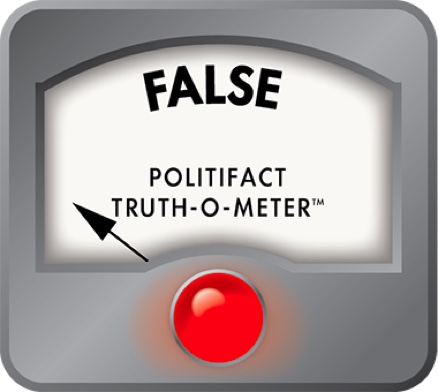
says the Novavax COVID-19 vaccine “dumps millions” of dangerous “spike proteins right into your body.”
FALSE
Public Health Facebook Fact-checks Coronavirus Facebook posts
A COVID-19 vaccination card. (AP Images)
By Tom Kertscher June 17, 2021
No sign spike proteins from COVID-19 vaccines, including Novavax, are dangerous
If Your Time is short
* U.S. public health authorities and vaccine experts say there is no evidence that COVID-19 vaccines’ spike protein is toxic.
* A vaccine expert said the vaccine developed by Novamax contains a single viral protein.
Following news that a COVID-19 vaccine from drug maker Novavax has been found in a trial to be 90% effective, a widely shared social media post alleged that the vaccine is dangerous.
The vaccine contains a "dangerous spike protein," Ruby tweeted .. https://archive.is/fhz18 . "Novavax injection just dumps millions of spike proteins right into your body."
Ruby adds: "Can’t wait to see all the myocarditis from that."
Ruby, whose Twitter account identifies her as "Dr. Jane Ruby," is not .. https://www.linkedin.com/in/dr-jane-ruby-49971411/ .. a medical doctor. She describes herself .. http://drjaneruby.com/ .. as a health economist and "New Right political pundit" with a doctorate in psychology. Her LinkedIn profile shows he has a background in pharmaceutical research and nursing.
We messaged Ruby via Twitter but didn’t get a reply.
We have fact-checked other spike protein claims, finding that there is no evidence they present any serious health risk on their own.
Ruby’s mention of myocarditis alludes to reports of a higher-than-expected number of cases of heart inflammation developing in mostly young people after they received doses of mRNA-based COVID-19 vaccines from Pfizer-BioNTech and Moderna, which use a different mechanism than the Novavax vaccine to induce an immune response.
The Centers for Disease Control and Prevention announced that it will convene an emergency meeting on June 18 to discuss a possible link between the condition and the vaccines. Other health organizations, like the European Medicines Agency, are also investigating.
So far, there’s no conclusive evidence that these cases are caused by the vaccines or the spike proteins.
Novavax, which is seeking to become the fourth company with a vaccine approved for use in the U.S., said the trial showed its vaccine "demonstrated 100% protection against moderate and severe disease, 90.4% efficacy overall." The company said it plans to seek regulatory authorizations during the third quarter of 2021 and expects to be able to manufacture 100 million doses per month by the end of the quarter.
A spokesperson for Novavax said its vaccine is derived from the genetic sequence of the SARS-CoV-2 virus spike protein. "It is a harmless protein that can neither replicate nor can it cause COVID-19," she said. "It ‘teaches’ your immune system to recognize the virus so that when exposed to the real thing, your body is prepared to mount an effective immune response."
"This protein has not been shown to be dangerous," he said. "It's just a single viral protein similar to the hepatitis B and human papillomavirus vaccines, and are remarkably safe."
"The SARS-CoV-2 virus, on the other hand, reproduces itself thousands of times, and is incredibly dangerous."
Email, Dr. Paul Offit, University of Pennsylvania professor and director of the Vaccine Education Center at Children's Hospital of Philadelphia, June 16, 2021
Can Vaccinated People Transmit COVID-19 to Others?
"COVID-19 Vaccine Fact Vs. Fiction: An Expert Weighs in on Common Fears "More than 85 poor countries will not have widespread access to coronavirus vaccines before 2023""
June 14, 2021
Get the answer from an infectious disease specialist
We’ve heard it all since the pandemic started — lemon juice can kill the coronavirus, masks don’t work, if you already had COVID-19 you can’t get it again or that the vaccines approved for emergency use will change your DNA or put a tracking device in your body.
Yikes.
It’s almost like we need a strong dose of something to knock out all of the misinformation. But despite all the myths and urban legends, about half of the U.S. population is fully vaccinated.
Wonderful news, right?
Well, not to some. Vaccinated people are up against a new set of myths — they’re literally magnetic or they’re going to shed vaccine components and alter the DNA of unvaccinated people. And despite the extra layer of protection, they still have to grapple with the same pandemic realities as everyone else.
So, what do vaccinated people need to do to stay safe? And is it still possible for them to spread COVID-19 to others? Infectious disease specialist Lyssette Cardona, MD, answers those questions and covers why vaccination is still one of our best weapons in the fight against COVID-19.
“Fully vaccinated” doesn’t mean “immune to COVID-19”
As restrictions and mask mandates are dropped around the county, people who are fully vaccinated might be feeling the return-to-normal fantasy. But Dr. Cardona warns that now still isn’t the time to let your guard down. While the vaccines are potent, there’s still a chance that you could become infected.
Dr. Cardona explains.
“‘Fully vaccinated’ means that you completed a COVID-19 vaccine series as recommended for the best protection against severe complications such as hospitalizations and/or death. No vaccine offers 100% protection against illness, yet it does give you a better chance to fight off the infectious consequences of being exposed to the SARS-CoV2 virus.”
Can fully vaccinated people still transmit the virus to others, including other vaccinated people?
While it is possible, Dr. Cardona says that the ability to transmit COVID-19 may occur at a lower rate. She adds that this could also be a reality for people who don’t have a good immune response to vaccines.
“The elderly, those with immune or chronic health conditions or those with underlying health disorders may not have the best protective response to vaccines, such as the COVID-19 vaccines. We are still collecting data and doing ongoing research about the vaccine responses in these vulnerable populations.”
Why are vaccinated people still getting COVID-19?
We’ve heard of cases where people who are in between doses or people who have received both doses are still testing positive or becoming infected with COVID-19. How is this possible? Dr. Cardona attributes this to exposure risks or where people are in the vaccination process.
“Immunization with the COVID-19 vaccines provides the best protection within two weeks of being fully vaccinated. A person is considered fully vaccinated two weeks after receiving the second dose of Pfizer’s or Moderna’s vaccine or one dose of Johnson & Johnson’s. If someone tests positive for COVID-19 or becomes ill a few days later, they most likely were exposed before being fully vaccinated. There are reported cases of illness and/or exposure after the vaccines, but the complications of the disease for those not vaccinated yet has been of greater magnitude.”
How long do the COVID-19 vaccines last in our bodies?
The jury is still out on that one. According to Dr. Cardona and the Centers for Disease Control and Prevention (CDC), the exact timeframe for protection is unknown at this time. When you think about it, we all tolerate vaccines differently. So, the scientific community is still studying natural immunity and vaccine-induced immunity concerning COVID-19.
“We don’t know exactly how long the vaccines will protect us after being fully vaccinated. However, the CDC and experts are still working to determine the answer to this question and will keep us informed of any changes. But the one thing we do know is that getting vaccinated is still the safer choice for preventing serious illness for you, your loved ones and for the benefit of our communities.”
How well are the COVID-19 vaccines protecting people?
On June 7, the CDC issued a press release regarding their study of the effectiveness of vaccines in fully vaccinated people. The study found that the mRNA COVID-19 vaccines authorized by the Food and Drug Administration (FDA) ( Pfizer-BioNTech’s and Moderna’s) reduced the risk of infection by 91% for fully vaccinated people. The study also is among the first to show that mRNA vaccination benefits people who get COVID-19 despite being fully vaccinated (14 or more days after dose two) or partially vaccinated (14 or more days after dose one to 13 days after dose two).
The results of this study also suggest that fully or partially vaccinated people who become infected with COVID-19 might be less likely to spread the virus to others. With fully or partially vaccinated study participants, the virus was 40% less detectable in their noses. It was also detected in six fewer days (i.e., viral shedding) as compared to those who weren’t vaccinated when they became infected.
In addition, people who were partially or fully vaccinated were 66% less likely to test positive for the SARS-CoV-2 infection for more than one week in comparison to those who were unvaccinated. The CDC adds that while these indicators are not a direct measure of a person’s ability to spread the virus, they have been associated with a reduced spread of other viruses like varicella (chickenpox) and influenza (flu).
It’s still good to be cautious
While this is encouraging news, Dr. Cardona stresses that fully vaccinated people still need to be careful as everything opens up again.
“Virus transmission may still occur from those who are infected and asymptomatic, or ill without knowing it, especially in crowded areas with a lack of physical distancing, respiratory precautions and hand washing. Other factors to consider are ongoing community transmission (positivity of testing) and immunization rates.”
If you haven’t been vaccinated or haven’t completed the vaccination series, she recommends doing so. And if you have a unique circumstance that delays your ability to complete your series of shots as scheduled, still get the second dose. Dr. Cardona says restarting the series isn’t necessary.
Necessary or Not, Booster Shots Are Probably Coming
"COVID-19 Vaccine Fact Vs. Fiction: An Expert Weighs in on Common Fears "More than 85 poor countries will not have widespread access to coronavirus vaccines before 2023" "
July 18, 2021
Anthony Gerace
By Elisabeth Rosenthal
Dr. Rosenthal is the editor in chief of Kaiser Health News. She was an emergency room physician before becoming a journalist.
This has led to confusion. Should the nearly 60 percent of adult Americans who have been fully vaccinated seek out a booster or not? Is the protection that has allowed them to see loved ones and go out to dinner fading?
Ultimately, the question of whether a booster is needed is unlikely to determine the F.D.A.’s decision. If recent history is predictive, booster shots will be here before long. That’s thanks to the outdated, 60-year-old basic standard that the F.D.A. uses to authorize medicines for sale: Is a new drug “safe and effective”?
But does that kind of efficacy matter? Is a higher level of antibodies needed to protect vaccinated Americans? Though antibody levels may wane some over time, the current vaccines deliver perfectly good immunity so far.
Opinion Conversation Questions surrounding the Covid-19 vaccine and its rollout.
What if a booster is safe and effective in one sense but simply not needed — at least for now?
Reliance on the simple “safe and effective” standard — which certainly sounds reasonable — is a relic of a time when there were far fewer and simpler medicines available to treat diseases and before pharmaceutical manufacturing became one of the world’s biggest businesses.
In today’s pharmaceutical universe, a simple “safe and effective” determination is not always an adequate bar, and it can be manipulated to sell drugs of questionable value. There’s also big money involved: Pfizer is already projecting $26 billion in Covid-19 revenue .. https://www.washingtonpost.com/business/2021/05/04/pfizer-covid-vaccine-revenue/ .. this year.
The United States’ continued use of this standard to let drugs into the market has led to the approval of expensive, not necessarily very effective drugs. In 2014, for example, the F.D.A. approved a toenail fungus drug that can cost up to $1,500 .. https://khn.org/news/bill-of-the-month-for-toenail-fungus-a-1500-prescription/ .. a month and that studies showed cured fewer than 10 percent of patients after a year of treatment. That’s more effective than doing nothing but less effective and more costly than a number of other treatments for this bothersome malady .. https://www.ncbi.nlm.nih.gov/pmc/articles/PMC6600855/ .
It has also led to a plethora of high-priced drugs to treat diseases like cancers, multiple sclerosis and Type 2 diabetes that are all more effective than a placebo but have often not been tested very much against one another to determine which are most effective.
In today’s complex world, clarification is needed to determine just what kind of effectiveness the F.D.A. should demand. And should that be the job of the F.D.A. alone?
For example, should drugmakers prove their drug is significantly more effective than products already on the market? Or demonstrate cost-effectiveness — the relative health value of a product compared to its price —a metric .. https://www.ncbi.nlm.nih.gov/books/NBK436886/ .. used by Britain’s health system?And in which cases is effectiveness against a surrogate marker — like an antibody level — a good enough stand-in for whether a drug will have a significant impact on a patient’s health?
In most industrialized countries, said Aaron Kesselheim, a professor of medicine at Harvard Medical School who studies drug development, marketing and law and recently served on an F.D.A. advisory committee, broad access to the national market is a two-step process. The first part certifies that a drug is sufficiently safe and effective. That is immediately followed by an independent health technology assessment to see where it fits in the treatment armamentarium, including, in some countries, whether it is useful enough to be sold at all at the price being offered. But there’s no such automatic process in the U.S.
When Pfizer applies for authorization, the F.D.A. may well clear a booster for the U.S. market. The Centers for Disease Control and Prevention, likely with advice from National Institutes of Health experts, will then have to decide whether to recommend it and for whom. This judgment call usually determines whether insurers will cover it. Pfizer is likely to profit handsomely from a government authorization, and the company will gain some revenue even if only the worried well, who can pay out of pocket, decide to get the shot.
To make any recommendation on a booster, government experts say they need more data. They could, for example, as Dr. Anthony Fauci has suggested, eventually green-light the additional vaccine shot only for a small group of patients at high risk for a deadly infection, like the very old or transplant recipients who take immunosuppressant drugs, as some other countries have done .. https://www.nytimes.com/2021/07/12/world/middleeast/israel-third-covid-vaccine.html .
But until the United States refines the F.D.A.’s “safe and effective” standard or adds a second layer of vetting, when new products hit the market and manufacturers promote them, Americans will be left to decipher whose version of effective and necessary matters to them.
Elisabeth Rosenthal (@RosenthalHealth) worked as an emergency room physician before becoming a journalist. A former New York Times correspondent, she is the author of “An American Sickness: How Healthcare Became Big Business and How You Can Take It Back” and the editor in chief of Kaiser Health News.