



 AI
AI







Sunday, February 05, 2006 3:57:17 PM
TOP TRENDS of the Future.
http://www.cnn.com/SPECIALS/2005/cnn.25/interactive/gallery.top25/content.1.html
----------------------------------------------------------------------
Flash Forward! Fortune magazine's top trends
Fortune magazine editors tell CNN their top trend predictions for ideas, tools and innovations that will shape our lives for decades to come. Click on the links below to learn about some forward-looking trends with unlimited possibilities.

----------------------------------------------------------------------
Era of replaceable body parts
It may not exactly be a case of Steve Austin in "The Six Million Dollar Man," but the day is coming, trend watchers say, when humans will be able to replace their broken or disfigured body parts with new ones. According to Fortune magazine's senior editor for Internet and technology, David Kirkpatrick, in the next 75 years, stem cells will become a standard tool for growing any body parts. As scientists make incredible strides in their laboratories, society must rush to catch up to the ethical implications these new technologies place on us, he said.

---------------------------------------------------------------------
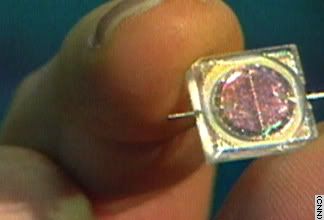
Nanotechnology
Nanotechnology is "taking things that we might use everyday and engineering them at a microscopic level to get different properties or interesting things out of the materials that you wouldn't get at our scale," said Marshall Brain, founder of howstuffworks.com. This technology could change everything from how drugs work to "friendlier" consumer products like batteries that charge in minutes or windows that don't get dirty. "Any product you think of... will be affected by nanotechnology in some way over the next 10 or 20 years," Brain said.
---------------------------------------------------------------------
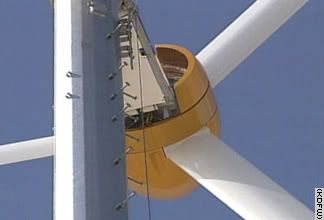
Windmill energy
"As energy wonks often say, the Stone Age didn't end because we ran out of stones and the oil age isn't going to end because we run out of oil," said Cait Murphy, senior editor of Fortune magazine. "The oil age is going to end because we get tired of the economic, social, political and environmental effects of oil," she said. It is this search for a cleaner, easier energy source that made some scientists look to the wind. Murphy says it could have "really quite powerful and hopeful consequences" for poorer nations.
----------------------------------------------------------------------
Smart houses of the future
Imagine a futuristic home that cleans itself, where with the flip of a switch you can change the exterior color of your home to maximize energy efficiency. Consider a bed that monitors your heart rate and summons an ambulance if you have a heart attack. "It'll make some things more convenient," said Cait Murphy, senior editor of Fortune magazine. "You'll be spending less time cleaning, for example ... It'll be much more environmentally friendly, and it could be more fun," she said.

----------------------------------------------------------------------
Leisure time and the Internet
When did a little thing called the Internet become so important to our lives? With high-speed Internet connections wiring us to the rest of the world, some folks find little reason to take off the fuzzy bedroom slippers and step outside their front doors. Now, even dating can be done from the comfort of your home office. "Dating goes back into the beginning of time, but online dating has really gone mainstream now because there's a lot of fish in the sea," said AOL online advisor Regina Lewis.

----------------------------------------------------------------------
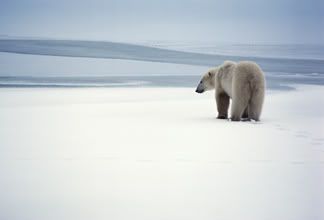
Global warming
The oceans that provide food for billions worldwide are expected to get warmer in the next quarter century, threatening our coasts and fueling more powerful storms. Many scientists predict more intense hurricanes and tropical storms, longer droughts and more destructive downpours, due to global warming. This warming may lead to massive population shifts as ocean waters rise. Thirteen of the world's largest cities are near water -- including Mumbai, India; Hong Kong; Tokyo, Japan; New York; and Los Angeles, California
http://www.cnn.com/SPECIALS/2005/cnn.25/interactive/gallery.top25/content.1.html
----------------------------------------------------------------------
Flash Forward! Fortune magazine's top trends
Fortune magazine editors tell CNN their top trend predictions for ideas, tools and innovations that will shape our lives for decades to come. Click on the links below to learn about some forward-looking trends with unlimited possibilities.
----------------------------------------------------------------------
Era of replaceable body parts
It may not exactly be a case of Steve Austin in "The Six Million Dollar Man," but the day is coming, trend watchers say, when humans will be able to replace their broken or disfigured body parts with new ones. According to Fortune magazine's senior editor for Internet and technology, David Kirkpatrick, in the next 75 years, stem cells will become a standard tool for growing any body parts. As scientists make incredible strides in their laboratories, society must rush to catch up to the ethical implications these new technologies place on us, he said.
---------------------------------------------------------------------
Nanotechnology
Nanotechnology is "taking things that we might use everyday and engineering them at a microscopic level to get different properties or interesting things out of the materials that you wouldn't get at our scale," said Marshall Brain, founder of howstuffworks.com. This technology could change everything from how drugs work to "friendlier" consumer products like batteries that charge in minutes or windows that don't get dirty. "Any product you think of... will be affected by nanotechnology in some way over the next 10 or 20 years," Brain said.
---------------------------------------------------------------------
Windmill energy
"As energy wonks often say, the Stone Age didn't end because we ran out of stones and the oil age isn't going to end because we run out of oil," said Cait Murphy, senior editor of Fortune magazine. "The oil age is going to end because we get tired of the economic, social, political and environmental effects of oil," she said. It is this search for a cleaner, easier energy source that made some scientists look to the wind. Murphy says it could have "really quite powerful and hopeful consequences" for poorer nations.
----------------------------------------------------------------------
Smart houses of the future
Imagine a futuristic home that cleans itself, where with the flip of a switch you can change the exterior color of your home to maximize energy efficiency. Consider a bed that monitors your heart rate and summons an ambulance if you have a heart attack. "It'll make some things more convenient," said Cait Murphy, senior editor of Fortune magazine. "You'll be spending less time cleaning, for example ... It'll be much more environmentally friendly, and it could be more fun," she said.
----------------------------------------------------------------------
Leisure time and the Internet
When did a little thing called the Internet become so important to our lives? With high-speed Internet connections wiring us to the rest of the world, some folks find little reason to take off the fuzzy bedroom slippers and step outside their front doors. Now, even dating can be done from the comfort of your home office. "Dating goes back into the beginning of time, but online dating has really gone mainstream now because there's a lot of fish in the sea," said AOL online advisor Regina Lewis.
----------------------------------------------------------------------
Global warming
The oceans that provide food for billions worldwide are expected to get warmer in the next quarter century, threatening our coasts and fueling more powerful storms. Many scientists predict more intense hurricanes and tropical storms, longer droughts and more destructive downpours, due to global warming. This warming may lead to massive population shifts as ocean waters rise. Thirteen of the world's largest cities are near water -- including Mumbai, India; Hong Kong; Tokyo, Japan; New York; and Los Angeles, California
Discover What Traders Are Watching
Explore small cap ideas before they hit the headlines.



