



 AI
AI







Friday, August 30, 2013 7:30:03 PM
Rim Fire Time Lapse, August 2013
Published on Aug 28, 2013 by yosemitenationalpark
Time-lapse photography shows various perspectives of the 2013 Rim Fire, as viewed from Yosemite National Park. The first part of this video is from the Crane Flat Helibase. The fire is currently burning in wilderness and is not immediately threatening visitors or employees. The second half of the video is from Glacier Point, showing Yosemite Valley, and how little the smoke from the fire has impacted the Valley.
http://www.youtube.com/watch?v=97BrYoq1ly0
--
Rim Fire in Yosemite Caught by Webcam
Published on Aug 29, 2013 by Andrew Revkin
This time-lapse imagery is of the huge Rim Fire in and around Yosemite National Park, as captured from the Crane Flat helibase, looking north, on Aug. 28. Webcam address: http://ssgic.cr.usgs.gov/cgi-bin/camHist_movie.pl?camera=1_mobile_ynp_1&visible=false&date=20130828&frame=100
Location: https://maps.google.com/maps?q=Crane+Flat,+Yosemite+National+Park,+California+120,+Groveland,+CA&hl=en&ll=37.768815,-119.787712&spn=0.124298,0.220757&sll=40.697488,-73.979681&sspn=0.476861,0.883026&oq=crane+flat+yosemite&t=h&hq=Crane+Flat,+Yosemite+National+Park,+California+120,+Groveland,+CA&z=12 ( http://goo.gl/maps/Ohwwz )
Related video on "global pulse of fire:
http://www.youtube.com/watch?v=gwRpvxtMhPA
More on wildfire and man on Dot Earth:
http://dotearth.blogs.nytimes.com/?s=wildfire+west
http://www.youtube.com/watch?v=NzAcKDlZAaI
--
Pagosa // A Timelapse of The Colorado Wildfires
Published on Jul 19, 2013 by WhoIsMatt
Colorado is currently experiencing some of the largest wildfires in the state's history. In July, I visited the Bruce Spruce Ranch a little ways outside of Pagosa Springs and watched as the Windy Pass, West Fork, and Papoose wildfires burned thousands of acres of forest. I have never seen such a powerful event up close like this before, it was truly humbling.
Please visit http://whoismatt.com/pagosatimelapse and download this film in high definition. The video itself is 3 Gigabytes in size and looks amazing.
Music by Salomon Lighthelm at The Music Bed // http://www.themusicbed.com/#!/In-The-Sullen-Silence-5326/
http://www.youtube.com/watch?v=116g28MoLLs ; http://vimeo.com/69850818
--
The Global Pulse of Fire
Published on Aug 29, 2012
Fascinating NASA Earth Observatory animation shows the annual pulsing of fires (number, not size!) around the world. The space agency's description:
On Earth, something is always burning. Wildfires are started by lightning or accidentally by people, and people use controlled fires to manage farmland and pasture and clear natural vegetation for farmland. Fires can generate large amounts of smoke pollution, release greenhouse gases, and unintentionally degrade ecosystems. But fires can also clear away dead and dying underbrush, which can help restore an ecosystem to good health. In many ecosystems, including boreal forests and grasslands, plants have co-evolved with fire and require periodic burning to reproduce.
The fire maps show the locations of actively burning fires around the world on a monthly basis, based on observations from the Moderate Resolution Imaging Spectroradiometer (MODIS) on NASA's Terra satellite. The colors are based on a count of the number (not size) of fires observed within a 1,000-square-kilometer area. White pixels show the high end of the count —as many as 100 fires in a 1,000-square-kilometer area per day. Yellow pixels show as many as 10 fires, orange shows as many as 5 fires, and red areas as few as 1 fire per day.
Some of the global patterns that appear in the fire maps over time are the result of natural cycles of rainfall, dryness, and lightning. For example, naturally occurring fires are common in the boreal forests of Canada in the summer. In other parts of the world, the patterns are the result of human activity. For example, the intense burning in the heart of South America from August-October is a result of human-triggered fires, both intentional and accidental, in the Amazon Rainforest and the Cerrado (a grassland/savanna ecosystem) to the south. Across Africa, a band of widespread agricultural burning sweeps north to south over the continent as the dry season progresses each year. Agricultural burning occurs in late winter and early spring each year across Southeast Asia.
More here: http://neo.sci.gsfc.nasa.gov/Search.html?datasetId=MOD14A1_M_FIRE
Dot Earth posts on fires: http://dotearth.blogs.nytimes.com/tag/fire/
http://www.youtube.com/watch?v=gwRpvxtMhPA
--
California Rim Fire grows: Astonishing timelapse videos from Yosemite
August 29, 2013
http://www.washingtonpost.com/blogs/capital-weather-gang/wp/2013/08/29/california-rim-fire-grows-astonishing-timelapse-videos-from-yosemite/ [with comments]
--
California Rim Fire: A blazing tour from Earth and space
August 27, 2013
http://www.washingtonpost.com/blogs/capital-weather-gang/wp/2013/08/27/california-rim-fire-a-tour-from-earth-and-space/ [with comments]
Published on Aug 28, 2013 by yosemitenationalpark
Time-lapse photography shows various perspectives of the 2013 Rim Fire, as viewed from Yosemite National Park. The first part of this video is from the Crane Flat Helibase. The fire is currently burning in wilderness and is not immediately threatening visitors or employees. The second half of the video is from Glacier Point, showing Yosemite Valley, and how little the smoke from the fire has impacted the Valley.
http://www.youtube.com/watch?v=97BrYoq1ly0
--
Rim Fire in Yosemite Caught by Webcam
Published on Aug 29, 2013 by Andrew Revkin
This time-lapse imagery is of the huge Rim Fire in and around Yosemite National Park, as captured from the Crane Flat helibase, looking north, on Aug. 28. Webcam address: http://ssgic.cr.usgs.gov/cgi-bin/camHist_movie.pl?camera=1_mobile_ynp_1&visible=false&date=20130828&frame=100
Location: https://maps.google.com/maps?q=Crane+Flat,+Yosemite+National+Park,+California+120,+Groveland,+CA&hl=en&ll=37.768815,-119.787712&spn=0.124298,0.220757&sll=40.697488,-73.979681&sspn=0.476861,0.883026&oq=crane+flat+yosemite&t=h&hq=Crane+Flat,+Yosemite+National+Park,+California+120,+Groveland,+CA&z=12 ( http://goo.gl/maps/Ohwwz )
Related video on "global pulse of fire:
http://www.youtube.com/watch?v=gwRpvxtMhPA
More on wildfire and man on Dot Earth:
http://dotearth.blogs.nytimes.com/?s=wildfire+west
http://www.youtube.com/watch?v=NzAcKDlZAaI
--
Pagosa // A Timelapse of The Colorado Wildfires
Published on Jul 19, 2013 by WhoIsMatt
Colorado is currently experiencing some of the largest wildfires in the state's history. In July, I visited the Bruce Spruce Ranch a little ways outside of Pagosa Springs and watched as the Windy Pass, West Fork, and Papoose wildfires burned thousands of acres of forest. I have never seen such a powerful event up close like this before, it was truly humbling.
Please visit http://whoismatt.com/pagosatimelapse and download this film in high definition. The video itself is 3 Gigabytes in size and looks amazing.
Music by Salomon Lighthelm at The Music Bed // http://www.themusicbed.com/#!/In-The-Sullen-Silence-5326/
http://www.youtube.com/watch?v=116g28MoLLs ; http://vimeo.com/69850818
--
The Global Pulse of Fire
Published on Aug 29, 2012
Fascinating NASA Earth Observatory animation shows the annual pulsing of fires (number, not size!) around the world. The space agency's description:
On Earth, something is always burning. Wildfires are started by lightning or accidentally by people, and people use controlled fires to manage farmland and pasture and clear natural vegetation for farmland. Fires can generate large amounts of smoke pollution, release greenhouse gases, and unintentionally degrade ecosystems. But fires can also clear away dead and dying underbrush, which can help restore an ecosystem to good health. In many ecosystems, including boreal forests and grasslands, plants have co-evolved with fire and require periodic burning to reproduce.
The fire maps show the locations of actively burning fires around the world on a monthly basis, based on observations from the Moderate Resolution Imaging Spectroradiometer (MODIS) on NASA's Terra satellite. The colors are based on a count of the number (not size) of fires observed within a 1,000-square-kilometer area. White pixels show the high end of the count —as many as 100 fires in a 1,000-square-kilometer area per day. Yellow pixels show as many as 10 fires, orange shows as many as 5 fires, and red areas as few as 1 fire per day.
Some of the global patterns that appear in the fire maps over time are the result of natural cycles of rainfall, dryness, and lightning. For example, naturally occurring fires are common in the boreal forests of Canada in the summer. In other parts of the world, the patterns are the result of human activity. For example, the intense burning in the heart of South America from August-October is a result of human-triggered fires, both intentional and accidental, in the Amazon Rainforest and the Cerrado (a grassland/savanna ecosystem) to the south. Across Africa, a band of widespread agricultural burning sweeps north to south over the continent as the dry season progresses each year. Agricultural burning occurs in late winter and early spring each year across Southeast Asia.
More here: http://neo.sci.gsfc.nasa.gov/Search.html?datasetId=MOD14A1_M_FIRE
Dot Earth posts on fires: http://dotearth.blogs.nytimes.com/tag/fire/
http://www.youtube.com/watch?v=gwRpvxtMhPA
--
California Rim Fire grows: Astonishing timelapse videos from Yosemite
August 29, 2013
http://www.washingtonpost.com/blogs/capital-weather-gang/wp/2013/08/29/california-rim-fire-grows-astonishing-timelapse-videos-from-yosemite/ [with comments]
--
California Rim Fire: A blazing tour from Earth and space
August 27, 2013
http://www.washingtonpost.com/blogs/capital-weather-gang/wp/2013/08/27/california-rim-fire-a-tour-from-earth-and-space/ [with comments]
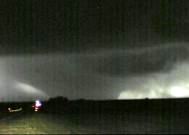
Greensburg, KS - 5/4/07
"Eternal vigilance is the price of Liberty."
from John Philpot Curran, Speech
upon the Right of Election, 1790
F6
Discover What Traders Are Watching
Explore small cap ideas before they hit the headlines.



