



 AI
AI








Wednesday, February 01, 2012 6:46:23 PM
Yes .. Karzai has been talking to militants since at least April 2007..
Since late 2001 Karzai has been trying for peace in his country, going as far as pardoning militants that lay down weapons and join the rebuilding process. However, his offers were not accepted by the militant groups. In April 2007, Karzai acknowledged that he spoke to some militants about trying to bring peace in Afghanistan. He noted that the Afghan militants are always welcome in the country, although foreign insurgents are not. In September 2007, Karzai again offered talks with militant fighters after a security scare forced him to end a commemoration speech. Karzai left the event and was taken back to his palace, where he was due to meet visiting Latvian President Valdis Zatlers. After the meeting the pair held a joint news conference, at which Karzai called for talks with his Taliban foes. "We don't have any formal negotiations with the Taliban. They don't have an address. Who do we talk to?" Karzai told reporters. He further stated: "If I can have a place where to send somebody to talk to, an authority that publicly says it is the Taliban authority, I will do it."
http://en.wikipedia.org/wiki/Hamid_Karzai
================ .. at the very end of Bush days .. Obama became president-elect November 4 2008 ..
Bush Administration to Talk With Taliban?
By JONATHAN KARL (@jonkarl) and LUIS MARTINEZ (@LMartinezABC)
WASHINGTON, Oct. 28, 2008
As the Bush administration reviews its strategy in Afghanistan, there is an emerging consensus that the way forward should include reaching out to supporters of the Taliban, and possibly even elements of the Taliban itself.
Several U.S. officials confirmed a report today in the Wall Street Journal that the White House is actively considering taking part in talks with tribal leaders in Afghanistan and Pakistan who are associated with the Taliban.
Officials said, however, that these talks would be led by either Afghanistan or Pakistan, or both. The United States would play a secondary, supportive role, the officials said.
"Part of the calculus of any way forward will have to include reconciliation with some current antagonists in Afghanistan," one senior military official said.
Earlier this month, Gen. David Petraeus, the former top commander of U.S. forces in Iraq -- who, on Friday takes over as the commander of CENTCOM, which directs U.S. military operations in the Middle East and southwest Asia -- said talking to insurgent groups in Iraq was critical to bringing down the violence there.
"I do think you have to talk to enemies," Petraeus said on Oct. 8 in a speech at the Heritage Foundation in Washington. "I mean, what we did do in Iraq ultimately was sit down with some of those that were shooting at us." The idea, officials explained, is to negotiate from a position of strength, supporting talks with those willing to renounce violence and hunting down those who don't.
http://abcnews.go.com/Politics/story?id=6132704#.TynJ6oHjo7I
========== .. all denial on peace talks so far ..
Afghan Taliban deny plans for Saudi peace talks
01-02-2012 12:46
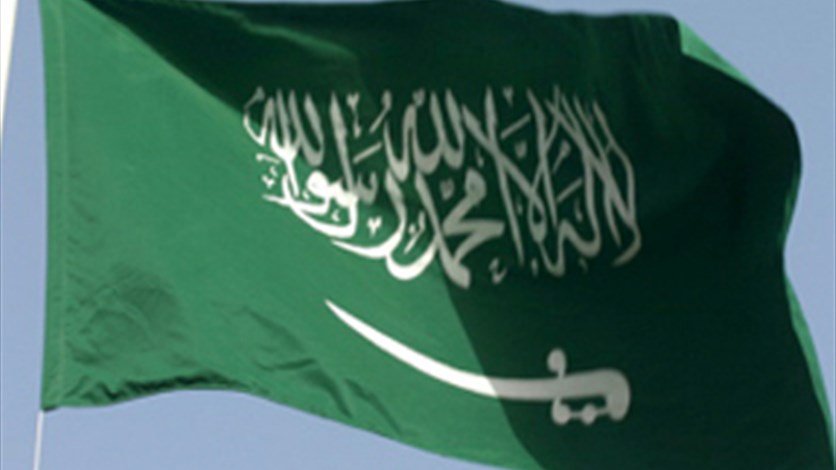
The Afghan Taliban said on Wednesday that the hardline Islamist movement had no plans to hold preliminary peace talks with Afghanistan's government in Saudi Arabia.
"We see Saudi Arabia with respect, because it is the center of Islam. However, as it was reported in media that the representatives of the Islamic Emirate will meet with the Afghan government delegation, that is not true," Taliban spokesman Zabihullah Mujahid said in a statement, using the term the insurgency uses to describe itself.
Sources in the Saudi government told Reuters this week that the Kingdom was reluctant to host Taliban-Afghan government peace talks, reportedly planned for this year, unless the Islamist movement renounced ties to Al Qaeda.
http://www.lbcgroup.tv/news/19039/afghan-taliban-deny-plans-for-saudi-peace-talks
Since late 2001 Karzai has been trying for peace in his country, going as far as pardoning militants that lay down weapons and join the rebuilding process. However, his offers were not accepted by the militant groups. In April 2007, Karzai acknowledged that he spoke to some militants about trying to bring peace in Afghanistan. He noted that the Afghan militants are always welcome in the country, although foreign insurgents are not. In September 2007, Karzai again offered talks with militant fighters after a security scare forced him to end a commemoration speech. Karzai left the event and was taken back to his palace, where he was due to meet visiting Latvian President Valdis Zatlers. After the meeting the pair held a joint news conference, at which Karzai called for talks with his Taliban foes. "We don't have any formal negotiations with the Taliban. They don't have an address. Who do we talk to?" Karzai told reporters. He further stated: "If I can have a place where to send somebody to talk to, an authority that publicly says it is the Taliban authority, I will do it."
http://en.wikipedia.org/wiki/Hamid_Karzai
================ .. at the very end of Bush days .. Obama became president-elect November 4 2008 ..
Bush Administration to Talk With Taliban?
By JONATHAN KARL (@jonkarl) and LUIS MARTINEZ (@LMartinezABC)
WASHINGTON, Oct. 28, 2008
As the Bush administration reviews its strategy in Afghanistan, there is an emerging consensus that the way forward should include reaching out to supporters of the Taliban, and possibly even elements of the Taliban itself.
Several U.S. officials confirmed a report today in the Wall Street Journal that the White House is actively considering taking part in talks with tribal leaders in Afghanistan and Pakistan who are associated with the Taliban.
Officials said, however, that these talks would be led by either Afghanistan or Pakistan, or both. The United States would play a secondary, supportive role, the officials said.
"Part of the calculus of any way forward will have to include reconciliation with some current antagonists in Afghanistan," one senior military official said.
Earlier this month, Gen. David Petraeus, the former top commander of U.S. forces in Iraq -- who, on Friday takes over as the commander of CENTCOM, which directs U.S. military operations in the Middle East and southwest Asia -- said talking to insurgent groups in Iraq was critical to bringing down the violence there.
"I do think you have to talk to enemies," Petraeus said on Oct. 8 in a speech at the Heritage Foundation in Washington. "I mean, what we did do in Iraq ultimately was sit down with some of those that were shooting at us." The idea, officials explained, is to negotiate from a position of strength, supporting talks with those willing to renounce violence and hunting down those who don't.
http://abcnews.go.com/Politics/story?id=6132704#.TynJ6oHjo7I
========== .. all denial on peace talks so far ..
Afghan Taliban deny plans for Saudi peace talks
01-02-2012 12:46
The Afghan Taliban said on Wednesday that the hardline Islamist movement had no plans to hold preliminary peace talks with Afghanistan's government in Saudi Arabia.
"We see Saudi Arabia with respect, because it is the center of Islam. However, as it was reported in media that the representatives of the Islamic Emirate will meet with the Afghan government delegation, that is not true," Taliban spokesman Zabihullah Mujahid said in a statement, using the term the insurgency uses to describe itself.
Sources in the Saudi government told Reuters this week that the Kingdom was reluctant to host Taliban-Afghan government peace talks, reportedly planned for this year, unless the Islamist movement renounced ties to Al Qaeda.
http://www.lbcgroup.tv/news/19039/afghan-taliban-deny-plans-for-saudi-peace-talks
It was Plato who said, “He, O men, is the wisest, who like Socrates, knows that his wisdom is in truth worth nothing”
Discover What Traders Are Watching
Explore small cap ideas before they hit the headlines.



