



 AI
AI







Monday, December 26, 2011 9:40:36 PM
In 1993, the U.S. Congress passed the Apology Resolution, admitting wrongdoing and issuing an apology.

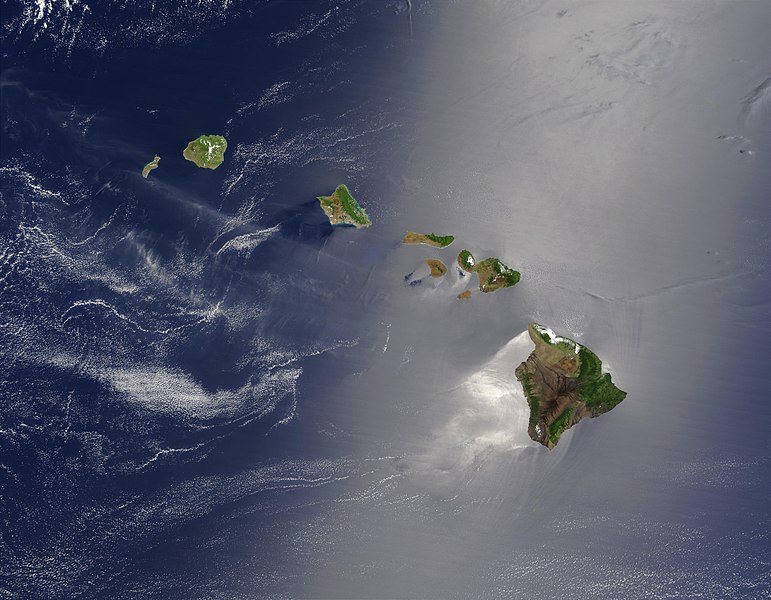
Hawaii Historical populations
Census Pop. %±
1900- 154,001
—
1910- 191,874 24.6%
1920- 255,881 33.4%
1930- 368,300 43.9%
1940- 422,770 14.8%
1950 - 499,794 18.2%
1960 - 632,772 26.6%
1970 - 769,913 21.7%
1980 - 964,691 25.3%
1990- 1,108,229 14.9%
2000- 1,211,537 9.3%
2010- 1,360,301 12.3%
Population of Hawaii
Filipino 13.6% See Filipino American
Japanese 12.6% See Japanese American
Polynesian 9.0% See Native Hawaiians
German 7.4% See German American
Irish 5.2% See Irish American
English 4.6% See English American
Portuguese 4.3% See Portuguese American
Chinese 4.1% See Chinese American
Korean 3.1% See Korean American
Mexican 2.9% See Mexican American
Puerto Rican 2.8% See Puerto Rican
Italian 2.7% See Italian American
African 2.4% See African American
French 1.7% See French American
Scottish 1.2% See Scottish American
On August 12, 1898, the flag of the Kingdom of Hawai?i over ?Iolani Palace was lowered to raise the United States flag to signify annexation.


Hawaiian military officer, 1819
A series of violent battles, lasting 15 years, was led by the warrior chief who would become Kamehameha the Great. The Kingdom of Hawaii was established with the help of western weapons and advisors, such as John Young and Isaac Davis.[1] Although successful in attacking both O?ahu and Maui, he failed to secure a victory in Kaua?i, his effort hampered by a storm. Eventually, Kaua?i's chief swore allegiance to Kamehameha. The unification ended the ancient Hawaiian society, transforming it into an independent constitutional monarchy crafted in the traditions and manner of European monarchs.
Military
The Hawaiian army and navy developed from the warriors of Kona under Kamehameha I, who unified Hawaii in 1810. The army and navy used both traditional canoes and uniforms including helmets made of natural materials and loincloths (called the Malo) as well as western technology like artillery cannons, muskets, and European ships. European advisors were captured, treated well and became Hawaiian citizens. When Kamehameha died in 1819 he left his son Liholiho a large arsenal with tens of thousands of men and many warships. This helped put down the revolt at Kuamo?o later in 1819 and Humehume's rebellion on Kauai in 1824.
During the Kamehameha Dynasty the population in Hawaii was ravaged by epidemics following the arrival of outsiders. The military shrank with the population, so by the end of the Dynasty there was no Hawaiian navy and an army consisting of several hundred troops. After a French invasion that sacked Honolulu in 1849 Kamehameha III sought treaties with the United States and Britain to become a protectorate state. During the outbreak of the Crimean War, in Europe, Kamehameha III declared Hawaii a neutral state,[2] similar to Switzerland, ending any hope of Hawaii to benefits through war. After Hawaii became a protectorate of the United States strong pressure was put on Kamehameha IV to make trade exclusively to the United States even annexing the islands. To counterbalance this situation Kamehameha IV and Kamehameha V pushed for alliances with other foreign powers, especially Great Britain. Hawaii claimed uninhabited islands in the Pacific including the Northwestern Hawaiian Islands, many of which came into conflict with American claims.
Following the Kamehameha Dynasty the small army was disbanded under Lunalilo after a barracks revolt in September 1873 until his death leaving Hawaii solely protected by the United States who had wavering support of the monarchy. The small army was restored under King Kalakaua but failed to stop the 1887 Rebellion by the Missionary Party. In 1891 Queen Lili?uokalani came to power. Following the elections 1892 with petitions and request from her administration to change the constitution of 1887. The US protectorate policy was that at least one U.S. cruiser must be present in Hawaii at all times. So, on January 17, 1893, Lili?uokalani, believing the U.S. military would intervene if she changed the constitution, waited for the USS Boston to leave port. Once it was known that Lili?uokalani was revising the constitution, the Boston was recalled and assisted the Missionary Party in her overthrow. In 1993, the U.S. Congress passed the Apology Resolution, admitting wrongdoing and issuing an apology. Following the overthrow and the establishment of the Provisional Government of Hawaii the Kingdom's military was disarmed and disbanded.
http://en.wikipedia.org/wiki/Kingdom_of_Hawaii
USS Boston (1884)

The fifth USS Boston, a protected cruiser, was launched 4 December 1884 by John Roach & Sons, Chester, Pennsylvania, and commissioned 2 May 1887, Captain Francis M. Ramsay in command.
Boston, being the second cruiser of the New Navy completed, was not ready for active service until 1888. She then made a cruise to Guatemala and Haiti to protect American citizens. She joined the Squadron of Evolution 30 September 1889 and cruised to the Mediterranean and South America (7 December 1889 – 29 July 1890), and along the east coast in 1891. Boston departed New York 24 October 1891 for the Pacific, via Cape Horn, arriving at San Francisco 2 May 1892. Except for a cruise during which she participated in the U.S. invasion[1] of the Kingdom of Hawaii (11 August 1892 – 10 October 1893), she remained on the west coast until laid up at Mare Island Navy Yard 4 November 1893.
We Apologize? Really???

Hawaii Historical populations
Census Pop. %±
1900- 154,001
—
1910- 191,874 24.6%
1920- 255,881 33.4%
1930- 368,300 43.9%
1940- 422,770 14.8%
1950 - 499,794 18.2%
1960 - 632,772 26.6%
1970 - 769,913 21.7%
1980 - 964,691 25.3%
1990- 1,108,229 14.9%
2000- 1,211,537 9.3%
2010- 1,360,301 12.3%
Population of Hawaii
Filipino 13.6% See Filipino American
Japanese 12.6% See Japanese American
Polynesian 9.0% See Native Hawaiians
German 7.4% See German American
Irish 5.2% See Irish American
English 4.6% See English American
Portuguese 4.3% See Portuguese American
Chinese 4.1% See Chinese American
Korean 3.1% See Korean American
Mexican 2.9% See Mexican American
Puerto Rican 2.8% See Puerto Rican
Italian 2.7% See Italian American
African 2.4% See African American
French 1.7% See French American
Scottish 1.2% See Scottish American
On August 12, 1898, the flag of the Kingdom of Hawai?i over ?Iolani Palace was lowered to raise the United States flag to signify annexation.


Hawaiian military officer, 1819
A series of violent battles, lasting 15 years, was led by the warrior chief who would become Kamehameha the Great. The Kingdom of Hawaii was established with the help of western weapons and advisors, such as John Young and Isaac Davis.[1] Although successful in attacking both O?ahu and Maui, he failed to secure a victory in Kaua?i, his effort hampered by a storm. Eventually, Kaua?i's chief swore allegiance to Kamehameha. The unification ended the ancient Hawaiian society, transforming it into an independent constitutional monarchy crafted in the traditions and manner of European monarchs.
Military
The Hawaiian army and navy developed from the warriors of Kona under Kamehameha I, who unified Hawaii in 1810. The army and navy used both traditional canoes and uniforms including helmets made of natural materials and loincloths (called the Malo) as well as western technology like artillery cannons, muskets, and European ships. European advisors were captured, treated well and became Hawaiian citizens. When Kamehameha died in 1819 he left his son Liholiho a large arsenal with tens of thousands of men and many warships. This helped put down the revolt at Kuamo?o later in 1819 and Humehume's rebellion on Kauai in 1824.
During the Kamehameha Dynasty the population in Hawaii was ravaged by epidemics following the arrival of outsiders. The military shrank with the population, so by the end of the Dynasty there was no Hawaiian navy and an army consisting of several hundred troops. After a French invasion that sacked Honolulu in 1849 Kamehameha III sought treaties with the United States and Britain to become a protectorate state. During the outbreak of the Crimean War, in Europe, Kamehameha III declared Hawaii a neutral state,[2] similar to Switzerland, ending any hope of Hawaii to benefits through war. After Hawaii became a protectorate of the United States strong pressure was put on Kamehameha IV to make trade exclusively to the United States even annexing the islands. To counterbalance this situation Kamehameha IV and Kamehameha V pushed for alliances with other foreign powers, especially Great Britain. Hawaii claimed uninhabited islands in the Pacific including the Northwestern Hawaiian Islands, many of which came into conflict with American claims.
Following the Kamehameha Dynasty the small army was disbanded under Lunalilo after a barracks revolt in September 1873 until his death leaving Hawaii solely protected by the United States who had wavering support of the monarchy. The small army was restored under King Kalakaua but failed to stop the 1887 Rebellion by the Missionary Party. In 1891 Queen Lili?uokalani came to power. Following the elections 1892 with petitions and request from her administration to change the constitution of 1887. The US protectorate policy was that at least one U.S. cruiser must be present in Hawaii at all times. So, on January 17, 1893, Lili?uokalani, believing the U.S. military would intervene if she changed the constitution, waited for the USS Boston to leave port. Once it was known that Lili?uokalani was revising the constitution, the Boston was recalled and assisted the Missionary Party in her overthrow. In 1993, the U.S. Congress passed the Apology Resolution, admitting wrongdoing and issuing an apology. Following the overthrow and the establishment of the Provisional Government of Hawaii the Kingdom's military was disarmed and disbanded.
http://en.wikipedia.org/wiki/Kingdom_of_Hawaii
USS Boston (1884)

The fifth USS Boston, a protected cruiser, was launched 4 December 1884 by John Roach & Sons, Chester, Pennsylvania, and commissioned 2 May 1887, Captain Francis M. Ramsay in command.
Boston, being the second cruiser of the New Navy completed, was not ready for active service until 1888. She then made a cruise to Guatemala and Haiti to protect American citizens. She joined the Squadron of Evolution 30 September 1889 and cruised to the Mediterranean and South America (7 December 1889 – 29 July 1890), and along the east coast in 1891. Boston departed New York 24 October 1891 for the Pacific, via Cape Horn, arriving at San Francisco 2 May 1892. Except for a cruise during which she participated in the U.S. invasion[1] of the Kingdom of Hawaii (11 August 1892 – 10 October 1893), she remained on the west coast until laid up at Mare Island Navy Yard 4 November 1893.
We Apologize? Really???
Discover What Traders Are Watching
Explore small cap ideas before they hit the headlines.



