










Saturday, December 19, 2020 6:28:18 PM
Excellent hookrider, perfect for "conix: Just for you:"
Some from yours for future searches .. Who are you calling a socialist? Republicans are the real party of socialism in America
Steven Strauss, Opinion columnist
Sun, December 20, 2020, 6:04 AM GMT+11
[...]
Let me suggest four areas where the incoming Biden administration, allied with serious conservatives, can fight “socialism” while upholding progressive values.
* Eliminate farm subsidies and farm support programs ..
https://www.bloomberg.com/news/articles/2020-12-02/u-s-farm-profit-on-track-for-seven-year-high-after-trump-aid?sref=UTbvKgk5 .. which will cost $46 billion this year — up from $22 billion last year — and will account for about 40% of this year’s farm income) that interfere with agricultural markets.
[...]
Tax subsidies that make no sense
* Eliminate the money-losing “socialist” National Flood Insurance Program. From the point of view of progressives (who believe climate change is a real and pressing concern), NFIP makes no sense. It encourages living in flood-prone areas...
[...]
* Invest $10 billion per year to fund IRS tax enforcement, targeted at the very wealthy — those making over $1 million a year. According to a recent estimate by former Treasury Secretary Lawrence Summers, University of Pennsylvania law professor Natasha Sarin and former IRS Commissioner Charles O. Rossotti, this investment would yield about $100 billion a year in extra Federal tax revenues.
Sen. Sherrod Brown: Corporations exploit workers even amid COVID. They don't deserve to run the economy.
https://www.usatoday.com/story/opinion/2020/12/15/biden-elected-to-help-workers-covid-pandemic-sherrod-brown-column/6537959002/
If you’re a conservative who thinks defunding police enforcement is a bad idea, you should think the same about the recent defunding of IRS tax enforcement (by cutting the IRS budget).
[...]
* Make states routinely subsidized by the rest of the country get their act together. Most American states are roughly in balance between what their residents pay into the federal government and what they receive back. A few states (mainly Democratic) are “maker” states (among them Connecticut, Massachusetts, New Jersey and New York) that pay vastly more to the federal government than they receive.
'Taker' states do bad job for citizens
Then there are states that get back a lot more than their residents pay in taxes. These “taker” states are mainly low-income states in the southeast .. https://www.usnews.com/news/best-states/articles/2020-05-15/some-states-like-new-york-send-billions-more-to-federal-government-than-they-get-back , most of them dominated by Republicans. Given our progressive tax system and safety net, federal money tends to automatically flow to these states.
If you’re a conservative, transferring money from “makers” to “takers” is generally frowned on. If you’re a progressive, it makes sense to ask some hard questions about what’s going on with these “taker” states. Because, despite all the money these states receive, they don’t do a good job for their citizens.
Mississippi illustrates just how bad this situation is.
Your link - https://www.yahoo.com/news/calling-socialist-republicans-real-party-081509236.html
That is a top article by Steven Strauss.
See also:
shermann7 - How do US taxes compare internationally?
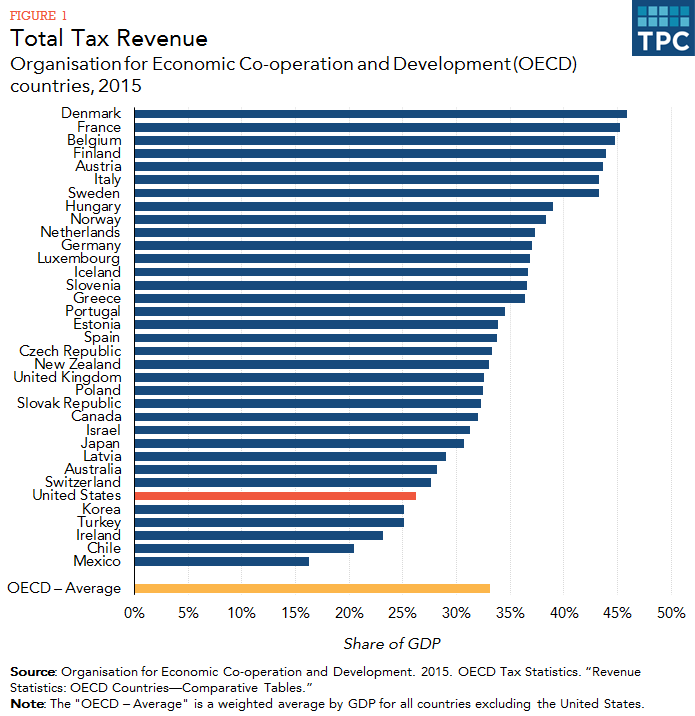
[...]
Actually, it was Democrats who killed the 70 percent tax
[...]
But it wasn’t Reagan who first proposed bringing the top rate down: It was Democrats in Congress who killed the 70 percent tax bracket. Their reasons for doing so hold important lessons for Ocasio-Cortez, Sen. Elizabeth Warren (D-Mass.), and any other progressive who wants to use the tax code to roll back income inequality and make the rich pay their fair share.
IT'S IMPORTANT TO remember that when Ronald Reagan took office, it was clear to everyone, including Democrats, that tax cuts would follow. The economy was in a recession, unemployment was high, and Reagan had campaigned on the idea that the best way to fix these problems was to cut taxes. Since Democrats controlled the House and Republicans had just taken control of the Senate, any tax cut legislation would have to be supported by majorities of both parties in order to get to his desk.
Unlikely as it may seem now, Republicans decided to keep the 70 percent top rate in place because they thought reducing it would be perceived as a giveaway to the wealthy. Reagan’s big 1981 tax cut was meant to be an across-the-board cut for all taxpayers, not skewed to business and the wealthy. In fact, business leaders were vehemently opposed to Reagan’s original plan, fearing it would blow up the federal deficit (which it eventually did).
It’s also worth remembering that the tax burden for most Americans was much higher in 1980 than it is today. For example, the middle quintile of Americans paid a federal tax rate of 19 percent in 1980, compared with 14 percent in 2015. Inflation was producing “bracket creep,” which meant that tax burdens were going up even while real wages were constant.
All this made the idea of across-the-board tax reductions popular, so much so that a strange dynamic developed. Congressional Democrats decided there was nothing to be gained from fighting Reagan’s tax cut, and they decided to propose a tax cut of their own. Over the next few months, Reagan and the Democrats presented dueling tax-cut bills, and they kept tweaking their bills to appeal to wavering members of Congress.
It was in this battle of the bills that the Democrats proposed to cut the top tax rate to 50 percent. They thought this would help attract votes from conservatives in both parties in the House. And importantly, they decided that in terms of revenue, the superhigh top tax bracket that draws so much political attention just didn’t mean very much: Of the $517 billion the Treasury collected in 1980, only $3 billion to $5 billion came from the 70 percent bracket — less than 1 percent of total tax revenue.
With the political cover that Democrats had proposed lowering the 70 percent top rate first, the Reagan administration was only too happy to adopt the proposal as part of their plan—and it was the Republican plan that ultimately won.
THE DEMOCRATS OF today should consider what the Democrats of 1980 knew: The top marginal tax rate generates very little income for the federal government. At the time, the 70 percent rate didn’t kick in until $212,000, which in today’s dollars is over $600,000. Since this was a marginal rate, no one, not even the richest millionaire, paid 70 percent of their entire income in taxes; only the portion of their income above the threshold was taxed at the top rate. Most important, the rich had ways to shift their income to avoid taxes, because the top rate only applied to “unearned income” such as dividends. This meant that whether the goal was to reduce inequality or raise revenue, the top tax rate was not very effective.
Does this mean progressives should forget the idea of taxing the rich? Actually, it’s possible to tax the rich, but the top tax rate by itself can’t do it. You also need to raise the capital gains tax.
https://investorshub.advfn.com/boards/read_msg.aspx?message_id=159708254
One other treating inequality, including Hanauer
12yearplan, There have been many minds driving the trend to more inequality and less mobility over the last 50 years. That's a good summary
article re those trends, and of course Trump is, as per his actions all his working life, screwing the ordinary guy further. Two recent ones
.. more than two - https://investorshub.advfn.com/boards/read_msg.aspx?message_id=150743282
Some from yours for future searches .. Who are you calling a socialist? Republicans are the real party of socialism in America
Steven Strauss, Opinion columnist
Sun, December 20, 2020, 6:04 AM GMT+11
[...]
Let me suggest four areas where the incoming Biden administration, allied with serious conservatives, can fight “socialism” while upholding progressive values.
* Eliminate farm subsidies and farm support programs ..
https://www.bloomberg.com/news/articles/2020-12-02/u-s-farm-profit-on-track-for-seven-year-high-after-trump-aid?sref=UTbvKgk5 .. which will cost $46 billion this year — up from $22 billion last year — and will account for about 40% of this year’s farm income) that interfere with agricultural markets.
[...]
Tax subsidies that make no sense
* Eliminate the money-losing “socialist” National Flood Insurance Program. From the point of view of progressives (who believe climate change is a real and pressing concern), NFIP makes no sense. It encourages living in flood-prone areas...
[...]
* Invest $10 billion per year to fund IRS tax enforcement, targeted at the very wealthy — those making over $1 million a year. According to a recent estimate by former Treasury Secretary Lawrence Summers, University of Pennsylvania law professor Natasha Sarin and former IRS Commissioner Charles O. Rossotti, this investment would yield about $100 billion a year in extra Federal tax revenues.
Sen. Sherrod Brown: Corporations exploit workers even amid COVID. They don't deserve to run the economy.
https://www.usatoday.com/story/opinion/2020/12/15/biden-elected-to-help-workers-covid-pandemic-sherrod-brown-column/6537959002/
If you’re a conservative who thinks defunding police enforcement is a bad idea, you should think the same about the recent defunding of IRS tax enforcement (by cutting the IRS budget).
[...]
* Make states routinely subsidized by the rest of the country get their act together. Most American states are roughly in balance between what their residents pay into the federal government and what they receive back. A few states (mainly Democratic) are “maker” states (among them Connecticut, Massachusetts, New Jersey and New York) that pay vastly more to the federal government than they receive.
'Taker' states do bad job for citizens
Then there are states that get back a lot more than their residents pay in taxes. These “taker” states are mainly low-income states in the southeast .. https://www.usnews.com/news/best-states/articles/2020-05-15/some-states-like-new-york-send-billions-more-to-federal-government-than-they-get-back , most of them dominated by Republicans. Given our progressive tax system and safety net, federal money tends to automatically flow to these states.
If you’re a conservative, transferring money from “makers” to “takers” is generally frowned on. If you’re a progressive, it makes sense to ask some hard questions about what’s going on with these “taker” states. Because, despite all the money these states receive, they don’t do a good job for their citizens.
Mississippi illustrates just how bad this situation is.
Your link - https://www.yahoo.com/news/calling-socialist-republicans-real-party-081509236.html
That is a top article by Steven Strauss.
See also:
shermann7 - How do US taxes compare internationally?
[...]
Actually, it was Democrats who killed the 70 percent tax
[...]
But it wasn’t Reagan who first proposed bringing the top rate down: It was Democrats in Congress who killed the 70 percent tax bracket. Their reasons for doing so hold important lessons for Ocasio-Cortez, Sen. Elizabeth Warren (D-Mass.), and any other progressive who wants to use the tax code to roll back income inequality and make the rich pay their fair share.
IT'S IMPORTANT TO remember that when Ronald Reagan took office, it was clear to everyone, including Democrats, that tax cuts would follow. The economy was in a recession, unemployment was high, and Reagan had campaigned on the idea that the best way to fix these problems was to cut taxes. Since Democrats controlled the House and Republicans had just taken control of the Senate, any tax cut legislation would have to be supported by majorities of both parties in order to get to his desk.
Unlikely as it may seem now, Republicans decided to keep the 70 percent top rate in place because they thought reducing it would be perceived as a giveaway to the wealthy. Reagan’s big 1981 tax cut was meant to be an across-the-board cut for all taxpayers, not skewed to business and the wealthy. In fact, business leaders were vehemently opposed to Reagan’s original plan, fearing it would blow up the federal deficit (which it eventually did).
It’s also worth remembering that the tax burden for most Americans was much higher in 1980 than it is today. For example, the middle quintile of Americans paid a federal tax rate of 19 percent in 1980, compared with 14 percent in 2015. Inflation was producing “bracket creep,” which meant that tax burdens were going up even while real wages were constant.
All this made the idea of across-the-board tax reductions popular, so much so that a strange dynamic developed. Congressional Democrats decided there was nothing to be gained from fighting Reagan’s tax cut, and they decided to propose a tax cut of their own. Over the next few months, Reagan and the Democrats presented dueling tax-cut bills, and they kept tweaking their bills to appeal to wavering members of Congress.
It was in this battle of the bills that the Democrats proposed to cut the top tax rate to 50 percent. They thought this would help attract votes from conservatives in both parties in the House. And importantly, they decided that in terms of revenue, the superhigh top tax bracket that draws so much political attention just didn’t mean very much: Of the $517 billion the Treasury collected in 1980, only $3 billion to $5 billion came from the 70 percent bracket — less than 1 percent of total tax revenue.
With the political cover that Democrats had proposed lowering the 70 percent top rate first, the Reagan administration was only too happy to adopt the proposal as part of their plan—and it was the Republican plan that ultimately won.
THE DEMOCRATS OF today should consider what the Democrats of 1980 knew: The top marginal tax rate generates very little income for the federal government. At the time, the 70 percent rate didn’t kick in until $212,000, which in today’s dollars is over $600,000. Since this was a marginal rate, no one, not even the richest millionaire, paid 70 percent of their entire income in taxes; only the portion of their income above the threshold was taxed at the top rate. Most important, the rich had ways to shift their income to avoid taxes, because the top rate only applied to “unearned income” such as dividends. This meant that whether the goal was to reduce inequality or raise revenue, the top tax rate was not very effective.
Does this mean progressives should forget the idea of taxing the rich? Actually, it’s possible to tax the rich, but the top tax rate by itself can’t do it. You also need to raise the capital gains tax.
https://investorshub.advfn.com/boards/read_msg.aspx?message_id=159708254
One other treating inequality, including Hanauer
12yearplan, There have been many minds driving the trend to more inequality and less mobility over the last 50 years. That's a good summary
article re those trends, and of course Trump is, as per his actions all his working life, screwing the ordinary guy further. Two recent ones
.. more than two - https://investorshub.advfn.com/boards/read_msg.aspx?message_id=150743282
It was Plato who said, “He, O men, is the wisest, who like Socrates, knows that his wisdom is in truth worth nothing”
Discover What Traders Are Watching
Explore small cap ideas before they hit the headlines.



