



 AI
AI








Tuesday, October 20, 2020 7:19:39 PM
Good summary. Trump ticks all the boxes for why people blame others for their own failures.
"TRUMP KEEPS TALKING ABOUT LOSING"
Nothing we don't already know here about Trump.
Why We Put the Blame On Others – and the Real Cost We Pay
Last reviewed by Sheri Jacobson September 10, 2015 Counselling, Relationships
By Andrea Blundell
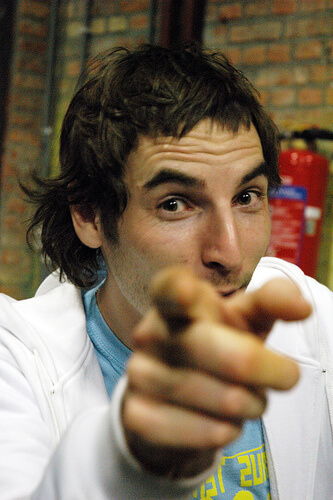
Blaming – the fine art of making others responsible for all the difficult things that happen to us – is something our modern society seems to support as perfectly acceptable. Reality TV shows force feed us scenes of one character blaming another, and newspapers are awash with stories about how all of society’s problems are to be blamed on politicians or terrorists and there is nothing we can do.
But is our culture of blame helpful?
The self-serving bias
Psychology talks about the ‘self-serving bias’, with researchers discovering that many of us will take the credit for ourselves if things go good in life, but lay blame on circumstance when things go bad.
For example, imagine taking a driver’s test. If you just pass, then you will likely make it an internal reason – I studied hard, I’m actually a good driver naturally. But if you just fail the same test, suddenly there is an external reason – the weather was bad, it wasn’t the car I usually drive, I didn’t get enough sleep.
But blaming circumstance is one thing. Blaming people, especially those close to us, when things don’t go well is another. And it and can have a severely damaging affect on our relationships, families, and career.
Why do we blame other people?
So why do it?
1. Blaming others is easy.
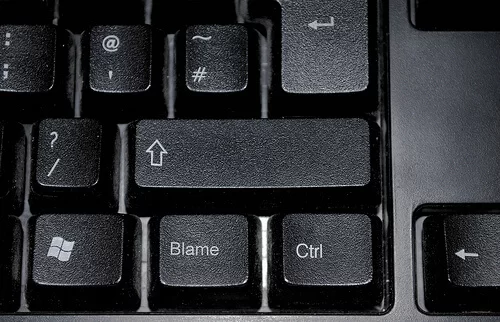
Blame means less work as when we blame, we don’t have to be held accountable. It’s really the opposite of being responsible and all the work that that entails.
3. [oops] Blame means you don’t have to be vulnerable.
If we don’t have to be accountable, then we don’t have to be vulnerable. Researcher Brene Brown says this about blame –
“Accountability by definition is a vulnerable process. It means me calling you and saying my feelings were hurt by this, and talking…. People who blame a lot seldom have the tenacity and grit to hold people accountable…. and it’s one of the reasons we miss our opportunity for empathy”.
By: Cyberslayer
3. Blaming others feeds your need for control.
Not blaming someone means you have to accept there was a situation where you perhaps didn’t act in ways you are proud of. In other words, you were a little bit out of control. Not blaming someone also means that you have to then listen to their side of their story, another thing you can’t control.
But if you blame someone, then you have control of the story, both past and future – they are bad, hence things happened the way they did, and it’s all their fault, hence you don’t have to deal with it further.
4. Blame unloads backed up feelings.
Do you tend to rarely show emotions, or believe you ‘never get upset’ or are the ‘laid back calm type’? At the same time, do you tend to lay blame on others when push comes to shove? It’s likely that you are using blame to unload your emotional pain which you do feel, but are repressing. And it can feel a great relief to unload, so you might be blaming a lot for this very reason.
5. Blame protects your ego.
In a way, blaming is form of social comparison that is status-seeking. If you blame someone, it puts you in the superior seat, making you feel more important and the ‘good’ person as opposed to their ‘bad’.
Of course some people use blaming to make themselves a victim. This is really still an ego move, as when you are in ‘poor me’ mode it means you get everyone else’s attention, and are still the ‘good’ person.
"Whether you are using blame to be superior or a victim, both come from a lack of self-esteem. The question to ask might even be not so much ‘why am I blaming’, as ‘why do I feel so bad about myself I have to blame others to feel better?’
What are you losing out on by blaming?
If you want to think that blaming is not something to worry about, think again. Blaming others can have long term consequences on your life and personality.
Here’s what you stand to lose –
1. Your personal growth.
More - https://www.harleytherapy.co.uk/counselling/why-we-put-the-blame-on-others.htm
Trump doesn't care about personal growth because he needs to believe he's the best to justify his existence to himself.
"TRUMP KEEPS TALKING ABOUT LOSING"
Nothing we don't already know here about Trump.
Why We Put the Blame On Others – and the Real Cost We Pay
Last reviewed by Sheri Jacobson September 10, 2015 Counselling, Relationships
By Andrea Blundell
Blaming – the fine art of making others responsible for all the difficult things that happen to us – is something our modern society seems to support as perfectly acceptable. Reality TV shows force feed us scenes of one character blaming another, and newspapers are awash with stories about how all of society’s problems are to be blamed on politicians or terrorists and there is nothing we can do.
But is our culture of blame helpful?
The self-serving bias
Psychology talks about the ‘self-serving bias’, with researchers discovering that many of us will take the credit for ourselves if things go good in life, but lay blame on circumstance when things go bad.
For example, imagine taking a driver’s test. If you just pass, then you will likely make it an internal reason – I studied hard, I’m actually a good driver naturally. But if you just fail the same test, suddenly there is an external reason – the weather was bad, it wasn’t the car I usually drive, I didn’t get enough sleep.
But blaming circumstance is one thing. Blaming people, especially those close to us, when things don’t go well is another. And it and can have a severely damaging affect on our relationships, families, and career.
Why do we blame other people?
So why do it?
1. Blaming others is easy.
Blame means less work as when we blame, we don’t have to be held accountable. It’s really the opposite of being responsible and all the work that that entails.
3. [oops] Blame means you don’t have to be vulnerable.
If we don’t have to be accountable, then we don’t have to be vulnerable. Researcher Brene Brown says this about blame –
“Accountability by definition is a vulnerable process. It means me calling you and saying my feelings were hurt by this, and talking…. People who blame a lot seldom have the tenacity and grit to hold people accountable…. and it’s one of the reasons we miss our opportunity for empathy”.
By: Cyberslayer
3. Blaming others feeds your need for control.
Not blaming someone means you have to accept there was a situation where you perhaps didn’t act in ways you are proud of. In other words, you were a little bit out of control. Not blaming someone also means that you have to then listen to their side of their story, another thing you can’t control.
But if you blame someone, then you have control of the story, both past and future – they are bad, hence things happened the way they did, and it’s all their fault, hence you don’t have to deal with it further.
4. Blame unloads backed up feelings.
Do you tend to rarely show emotions, or believe you ‘never get upset’ or are the ‘laid back calm type’? At the same time, do you tend to lay blame on others when push comes to shove? It’s likely that you are using blame to unload your emotional pain which you do feel, but are repressing. And it can feel a great relief to unload, so you might be blaming a lot for this very reason.
5. Blame protects your ego.
In a way, blaming is form of social comparison that is status-seeking. If you blame someone, it puts you in the superior seat, making you feel more important and the ‘good’ person as opposed to their ‘bad’.
Of course some people use blaming to make themselves a victim. This is really still an ego move, as when you are in ‘poor me’ mode it means you get everyone else’s attention, and are still the ‘good’ person.
"Whether you are using blame to be superior or a victim, both come from a lack of self-esteem. The question to ask might even be not so much ‘why am I blaming’, as ‘why do I feel so bad about myself I have to blame others to feel better?’
What are you losing out on by blaming?
If you want to think that blaming is not something to worry about, think again. Blaming others can have long term consequences on your life and personality.
Here’s what you stand to lose –
1. Your personal growth.
More - https://www.harleytherapy.co.uk/counselling/why-we-put-the-blame-on-others.htm
Trump doesn't care about personal growth because he needs to believe he's the best to justify his existence to himself.
It was Plato who said, “He, O men, is the wisest, who like Socrates, knows that his wisdom is in truth worth nothing”
Discover What Traders Are Watching
Explore small cap ideas before they hit the headlines.



