



 AI
AI








Monday, March 30, 2020 7:37:05 PM
The real cost of your clothes: These are the fabrics with the best and worst environmental impact
"Artist Arranges Stones In Stunning Patterns On The Beach, Finds It Very Therapeutic (30 Pics)"
Fast fashion is putting the future of the planet at risk - Sarah Young speaks to a number of industry experts to find out how different fabrics impact the environment and what we, as consumers, can do to help
@sarah_j_young
Monday 19 August 2019 08:04

Getty Images/iStockphoto
All links
Boxy leather jackets and breezy cotton dresses are mainstays in many of our wardrobes but do we really know just how much our favourite fashion pieces are affecting the environment?
An industry that thrives on providing consumers with the latest trends, fashion’s rapid turnover means that each year we consume approximately 80bn pieces of clothing – a volume which is inevitably putting strain on the planet.
According to The Waste and Resources Action Programme .. http://www.wrap.org.uk/ (WRAP) – a charity that works with governments, businesses and communities to improve resource efficiency – approximately £140m worth of clothing goes into landfill each year .. http://www.wrap.org.uk/content/clothing-waste-prevention .
Alice Wilby, a sustainable fashion consultant and spokesperson for Extinction Rebellion .. https://www.independent.co.uk/topic/extinction-rebellion – a campaign group demanding governments take urgent action on climate change – tells The Independent that this kind of misuse results in “wasting perfectly usable textiles, slowly leaking toxins into the earth and microfibres into the waterways" and contributes to methane emissions.
And that's not all. By 2050 it is anticipated the fashion industry will use up 25 per cent of the world’s carbon budget .. http://www.downtoearth.org.in/news/environment/fashion-industry-may-use-quarter-of-world-s-carbon-budget-by-2050-61183 , making it one of the most polluting industries second only to oil.
7 of the most wanted sustainable products right now Show all 7

Nanushka Vegan Leather Puffer Coat
Veja V10 Sneakers
Patagonia Nano Puff® Hoody
Stella McCartney x Stan Smith faux-leather trainers
So, what can we, as consumers, do to change this?
When it comes to environmental action, one of the most effective ways people can individually have a positive impact on the planet is to choose fabrics that are sustainable.
Watch more
7 simple ways to shop sustainably
https://www.independent.co.uk/life-style/fashion/sustainable-fashion-tips-how-to-shop-environment-fast-niomi-smart-a8941796.html
However, given that all conventional fibres have different environmental and social impacts associated with them, knowing which materials to buy can be complicated.
Wilby explains that there are many factors that influence the sustainable credentials of a fabric, including how much water or energy it takes to produce, where in the world it is manufactured and how it’s production affects biodiversity.
To make a more informed decision, Fashion For Good .. https://fashionforgood.com/ – a global platform for sustainable fashion innovation – recommends judging the impact of materials on the basis of its “Five Goods Cradle-to-Cradle” concept which looks at how sustainability is integrated across the whole supply chain of a good or product. This includes:
* Good Materials – safe, healthy and designed for reuse and recycling. Materials are returned to the biosphere in the form of compost or other nutrients, from which new materials can be created
* Good Economy – growing, circular, shared and benefiting everyone
* Good Energy – renewable and clean. Reduction in MW/h of energy consumption. Increase in MW/h of energy from renewable source. Associated reductions in CO2 emissions
* Good Water – clean and available to all. Reduction in cubic metres of H2O consumption
* Good Lives – living and working conditions that are just, safe and dignified. Fair jobs created, workers paid living wage and empowerment trainings conducted
It’s also worth exploring specific brands that are just as passionate about the issue as you are, such a luxury label Mother of Pearl .. https://motherofpearl.co.uk/ .. which uses organic and natural materials, and puts social responsibility, respect to animals and low-environmental impact first.
Amy Powney, creative director of the fashion brand, tells The Independent that she ensures Mother of Pearl embraces sustainability from a holistic point of view, from restructuring its supply chain in accordance to ethical practices to creating a plastic-free and low-waste working environment in its London headquarters.
Powney says that working with Mother of Pearl made her realise that “you can’t use the word sustainability” without seeing it in practice through a brand’s "culture”.
 ok .. view more on Instagram ..
https://www.instagram.com/motherofpearl/?utm_source=ig_embed
“Every angle of how we run the business is looked at and we are constantly trying to improve practices, the biggest things come first and the small ones are on the list," Powney tells The Independent.
To help you minimise your impact on the environment, we’ve put together a list of the best and worst fabrics for the environment with the help of a number of industry experts.
The worst fabrics for the environment: Cotton, synthetics and animal-derived materials
Cotton
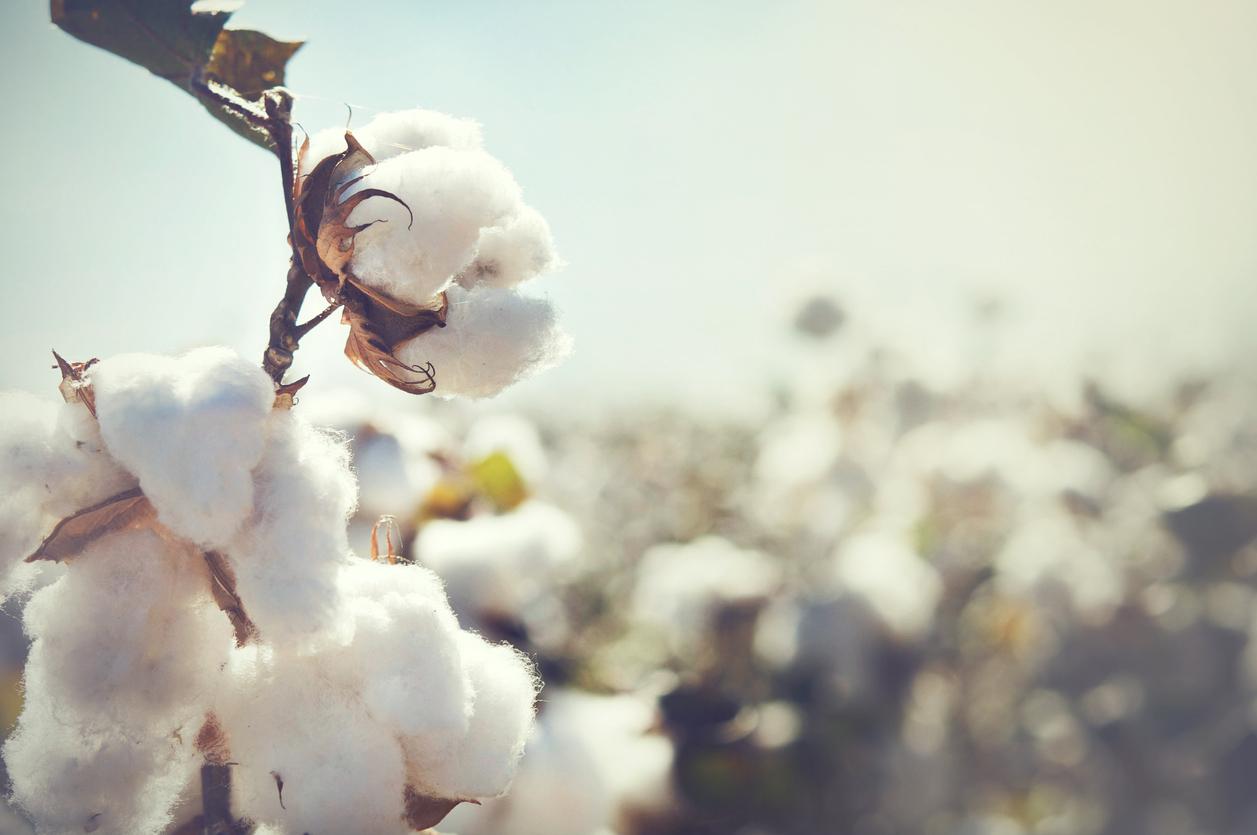
It takes up to 3,000. gallons of water to make a single cotton t-shirt (Getty Images/iStockphoto)
[...]
The best fabrics for the environment: Recycled, man-made cellulose and bast fibres
[...]
Wear more, waste less: Next time you want to buy something, ask yourself: how many times would I wear this? According to Fashion For Good, by wearing your clothes for an extra nine months, you can reduce waste and water usage by 20-30 per cent.
Quick and cool washes: Washing your clothes with cold water on a quick cycle uses half the energy of washing warm. By doing one cold load per week for a year, you can save the carbon equivalent of driving 123km.
https://www.independent.co.uk/life-style/fashion/fabrics-environment-fast-fashion-eco-friendly-pollution-waste-polyester-cotton-fur-recycle-a8963921.html
"Artist Arranges Stones In Stunning Patterns On The Beach, Finds It Very Therapeutic (30 Pics)"
Fast fashion is putting the future of the planet at risk - Sarah Young speaks to a number of industry experts to find out how different fabrics impact the environment and what we, as consumers, can do to help
@sarah_j_young
Monday 19 August 2019 08:04

Getty Images/iStockphoto
All links
Boxy leather jackets and breezy cotton dresses are mainstays in many of our wardrobes but do we really know just how much our favourite fashion pieces are affecting the environment?
An industry that thrives on providing consumers with the latest trends, fashion’s rapid turnover means that each year we consume approximately 80bn pieces of clothing – a volume which is inevitably putting strain on the planet.
According to The Waste and Resources Action Programme .. http://www.wrap.org.uk/ (WRAP) – a charity that works with governments, businesses and communities to improve resource efficiency – approximately £140m worth of clothing goes into landfill each year .. http://www.wrap.org.uk/content/clothing-waste-prevention .
Alice Wilby, a sustainable fashion consultant and spokesperson for Extinction Rebellion .. https://www.independent.co.uk/topic/extinction-rebellion – a campaign group demanding governments take urgent action on climate change – tells The Independent that this kind of misuse results in “wasting perfectly usable textiles, slowly leaking toxins into the earth and microfibres into the waterways" and contributes to methane emissions.
And that's not all. By 2050 it is anticipated the fashion industry will use up 25 per cent of the world’s carbon budget .. http://www.downtoearth.org.in/news/environment/fashion-industry-may-use-quarter-of-world-s-carbon-budget-by-2050-61183 , making it one of the most polluting industries second only to oil.
7 of the most wanted sustainable products right now Show all 7

Nanushka Vegan Leather Puffer Coat
Veja V10 Sneakers
Patagonia Nano Puff® Hoody
Stella McCartney x Stan Smith faux-leather trainers
So, what can we, as consumers, do to change this?
When it comes to environmental action, one of the most effective ways people can individually have a positive impact on the planet is to choose fabrics that are sustainable.
Watch more
7 simple ways to shop sustainably
https://www.independent.co.uk/life-style/fashion/sustainable-fashion-tips-how-to-shop-environment-fast-niomi-smart-a8941796.html
However, given that all conventional fibres have different environmental and social impacts associated with them, knowing which materials to buy can be complicated.
Wilby explains that there are many factors that influence the sustainable credentials of a fabric, including how much water or energy it takes to produce, where in the world it is manufactured and how it’s production affects biodiversity.
To make a more informed decision, Fashion For Good .. https://fashionforgood.com/ – a global platform for sustainable fashion innovation – recommends judging the impact of materials on the basis of its “Five Goods Cradle-to-Cradle” concept which looks at how sustainability is integrated across the whole supply chain of a good or product. This includes:
* Good Materials – safe, healthy and designed for reuse and recycling. Materials are returned to the biosphere in the form of compost or other nutrients, from which new materials can be created
* Good Economy – growing, circular, shared and benefiting everyone
* Good Energy – renewable and clean. Reduction in MW/h of energy consumption. Increase in MW/h of energy from renewable source. Associated reductions in CO2 emissions
* Good Water – clean and available to all. Reduction in cubic metres of H2O consumption
* Good Lives – living and working conditions that are just, safe and dignified. Fair jobs created, workers paid living wage and empowerment trainings conducted
It’s also worth exploring specific brands that are just as passionate about the issue as you are, such a luxury label Mother of Pearl .. https://motherofpearl.co.uk/ .. which uses organic and natural materials, and puts social responsibility, respect to animals and low-environmental impact first.
Amy Powney, creative director of the fashion brand, tells The Independent that she ensures Mother of Pearl embraces sustainability from a holistic point of view, from restructuring its supply chain in accordance to ethical practices to creating a plastic-free and low-waste working environment in its London headquarters.
Powney says that working with Mother of Pearl made her realise that “you can’t use the word sustainability” without seeing it in practice through a brand’s "culture”.
https://www.instagram.com/motherofpearl/?utm_source=ig_embed
“Every angle of how we run the business is looked at and we are constantly trying to improve practices, the biggest things come first and the small ones are on the list," Powney tells The Independent.
To help you minimise your impact on the environment, we’ve put together a list of the best and worst fabrics for the environment with the help of a number of industry experts.
The worst fabrics for the environment: Cotton, synthetics and animal-derived materials
Cotton
It takes up to 3,000. gallons of water to make a single cotton t-shirt (Getty Images/iStockphoto)
[...]
The best fabrics for the environment: Recycled, man-made cellulose and bast fibres
[...]
Wear more, waste less: Next time you want to buy something, ask yourself: how many times would I wear this? According to Fashion For Good, by wearing your clothes for an extra nine months, you can reduce waste and water usage by 20-30 per cent.
Quick and cool washes: Washing your clothes with cold water on a quick cycle uses half the energy of washing warm. By doing one cold load per week for a year, you can save the carbon equivalent of driving 123km.
https://www.independent.co.uk/life-style/fashion/fabrics-environment-fast-fashion-eco-friendly-pollution-waste-polyester-cotton-fur-recycle-a8963921.html
It was Plato who said, “He, O men, is the wisest, who like Socrates, knows that his wisdom is in truth worth nothing”
Discover What Traders Are Watching
Explore small cap ideas before they hit the headlines.



