 News
News  Market Data
  Discover

Support: 888-992-3836
Copyright © 2023 InvestorsHub Inc.






Register for free to join our community of investors and share your ideas. You will also get access to streaming quotes, interactive charts, trades, portfolio, live options flow and more tools.
$GTII Running for the hills?@ace_indy_biz @jamers2012 https://t.co/KenpPE4Hnq
— BigJR (@settlethetrades) April 25, 2024

Now on Bloomberg News
— kristen shaughnessy (@kshaughnessy2) April 24, 2024
The counterfeit crooks who jumped into $DJT stock are making it very difficult for anyone who flooded our financial system with counterfeit shares and the brokers who allowed it.
Demand trade settlement
"Donald Trump’s social media startup publicized a… https://t.co/eWDFmIUaV8 pic.twitter.com/r4PDEYY4fR
I'm wondering if they were told to take down their web site by legal or this guy Luke? Just speaking from experience, you normally leave your site up and run a 'burner" web site for coding /changes and then when its ready and bugs are sorted out, your web hosting redirects that site to the new one.
while StayHam and HamBird play the Kramer and Shaughnessy fiddle....Gtii's web site is "under construction:? for what? didn't they buy an AI company that can handle this with Tommy?
https://www.gtii-us.com/
KramerDefrauds $GTII $DBMM $VNUE $HPIL HUD4Jesus? YEP again $DBMM -1 LaidLaw Energy Group Inc (same Link) -6 SpartaCo alleges -8 $DBMM $HPIL $GTII HUD $VNUE Minimum 4 Fraud Cases!
Thanks, Asking for a Friend
Source:https://www.sec.gov/litigation/apdocuments/3-17990-event-11.pdf
Bederra Corp -7
Source: https://www.reuters.com/article/us-sec-pennystock-settlement/new-york-penny-stock-financier-settles-sec-charges-idUSBRE9AO11420131125
VVG|KBM|Asher|Toxic Debt Loans around the country
Defendant Seth Kramer is President of KBM |
Defendant Curt Kramer is President of Asher and VVG
Source: https://casetext.com/case/sparta-commercial-servs-inc-v-vis-vires-grp-inc
Any more?Asking for a Friend[
"Not Kramer but a Fraud Asscociate" (Moot)!
"IT was a Kazillion Years Ago" (Moot)
"Evidence" (moot)!
ALJ Carol Fox Foelak (moot)!
CE drop (moot)!
Timely Filings (moot)
Are Late Filings also Moot?
Asking for a Friend.
Happy Belated Groundhogs Day!
02/02/23

I'd like to see the lawsuit he claims he filed... shrewd move. " I'm optimistic about the company so I'm suing them knowing they will have to sell more shares to pay for legal expense to fight it"
ActionsBy Seth+KurtKramer👇🏿TheirFirm🤣PowerUpLoaning+relatedParties Geneva Roth Remark Holdings.
At this time, the Company has no specific evidence of any kind of a particular broker, bank, institution, or individual, including Mr. Curt Kramer, Mr. Seth Kramer, Power Up Lending Group, or Geneva Roth Remark Holdings undertaking such activity, but will continue to take action to combat any illegal trading or naked shorting in its stock whenever it occurs.
https://www.globenewswire.com/en/news-release/2022/06/17/2464949/0/en/Global-Tech-Industries-Group-Inc-cautions-shareholders-regarding-recent-social-media-misinformation.html
Clueless is an understatement! He ignored every red flag and dove in here with both feet! And worse... he dragged many in along to drown!
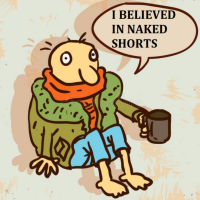
And he still won't give up the naked short crap!
He has been wrong about everything... AND I MEAN EVERYTHING... about GTII yet he still believes / pushes the naked short fantasy!
And I'm sure a few of the guppies that followed him into the sewer still want to believe him!
☠️
I literally cannot believe how clueless this guy is LOL... 1)"Im extremely bullish still if they change management" ????? that ship has sailed . the company was raided by the insiders.. 2) "if they get new management they can do an acquisition"...With what> the time for that was when you at least were over $1.50...and before you kept selling and selling shares...what can you acquire now since you sold all these shares? oh that's right ,they would have to dilute further...very attractive LOL 3) "the DTC action is expected but they (Alpine) can appeal that"... des he not read? prior to the hearing Alpine went into federal court to try and stop this and was smacked down...DTC is a private company and does not have to accept you..You can still be a FINRA member but you cant be part of DTC is they dont want to...AND if somehow they can find some way to get some court like the SCOTUS to look (good luck with that) that doesn't mean DTC will have to accept new deposits. Liquidations only but no new deposits. So they would be toast
When you see "naked short selling" in a headline or story .. replace it with "counterfeit shares"
— kristen shaughnessy (@kshaughnessy2) April 21, 2024
Take the politics out of this story.
I will say it again and again, whether you like or can't stand Donald Trump, this story is about stopping fraud in our financial markets.… pic.twitter.com/V5gqK9X5sj
I love when he takes time to tell William Ferrand over and over how much he "respects him"!!
When I see that video, I just keep hearing in my head "Will the defendants please rise?"...
☠️
ActionsBy Seth+KurtKramer👇🏿TheirFirm🤣PowerUpLoaning+relatedParties Geneva Roth Remark Holdings.
At this time, the Company has no specific evidence of any kind of a particular broker, bank, institution, or individual, including Mr. Curt Kramer, Mr. Seth Kramer, Power Up Lending Group, or Geneva Roth Remark Holdings undertaking such activity, but will continue to take action to combat any illegal trading or naked shorting in its stock whenever it occurs.
https://www.globenewswire.com/en/news-release/2022/06/17/2464949/0/en/Global-Tech-Industries-Group-Inc-cautions-shareholders-regarding-recent-social-media-misinformation.html
You are just noticing this now? LOL…C’mon…this is as much your fault as his…did you read their financials? Let me sum it up for you: Revenues 2023:: $00000000000000000…2022: $000000000000000. If you or him or anyone with a legit position in the company was concerned, you would flood the company HQ with calls, walk into their company if they actually exists and PEACEFULLY ask for answers about the EXPENSES (in the Millions) vs $0000000000 Revenues. But instead you tell people like me and Barber to be quiet. Sad…Because now the SEC and FINRA has another reason to squeeze the OTC market. Make it harder for reverse splits and give OTCMarkets another reason to regulate
I ShortNaked🔥4JesusEVERYday-X MAGA StanleyEmployee $10 GTC for $DBMM like MM GLED
“Gaming Wall Street”- HBO Documentary
Ex Morgan Stanley employee explains the situation about shorting and naked shorting perfectly!
Again, this is a MUST WATCH video for anyone who believes in shorting (naked or otherwise) of true penny stocks!
I'd love to hear a rebuttal to the facts that he presents!
Watch the WHOLE thing. It can be found on HBO as well as Youtube!
Why you repeating the same old thing man this is getting old ???????
ActionsBy Curt+SethKramer👇🏿TheirFirm🤣PowerUpLoaning+relatedParties Geneva Roth Remark Holdings.
At this time, the Company has no specific evidence of any kind of a particular broker, bank, institution, or individual, including Mr. Curt Kramer, Mr. Seth Kramer, Power Up Lending Group, or Geneva Roth Remark Holdings undertaking such activity, but will continue to take action to combat any illegal trading or naked shorting in its stock whenever it occurs.
https://www.globenewswire.com/en/news-release/2022/06/17/2464949/0/en/Global-Tech-Industries-Group-Inc-cautions-shareholders-regarding-recent-social-media-misinformation.html

Nice form 4 filings…i see they were so scared of ‘Knot for Legal” and have stopped selling LMAO…Todays video may put them on the dreaded “DOUBLE SECRET PROBATION”! ! Then he is going to send a very STRONGLY WORDED letter to the Better Business Bureau and the Chamber of Commerce in NY…Yep! That will get their attention….
KramerScams $GTII $DBMM $VNUE $HPIL HUD4Jesus?YEP again $DBMM -1 LaidLaw Energy Group Inc (same Link) -6 SpartaCo alleges -8 $DBMM $HPIL $GTII HUD $VNUE Minimum 4 Fraud Cases!
Thanks, Asking for a Friend
Source:https://www.sec.gov/litigation/apdocuments/3-17990-event-11.pdf
Bederra Corp -7
Source: https://www.reuters.com/article/us-sec-pennystock-settlement/new-york-penny-stock-financier-settles-sec-charges-idUSBRE9AO11420131125
VVG|KBM|Asher|Toxic Debt Loans around the country
Defendant Seth Kramer is President of KBM |
Defendant Curt Kramer is President of Asher and VVG
Source: https://casetext.com/case/sparta-commercial-servs-inc-v-vis-vires-grp-inc
Any more?Asking for a Friend[
"Not Kramer but a Fraud Asscociate" (Moot)!
"IT was a Kazillion Years Ago" (Moot)
"Evidence" (moot)!
ALJ Carol Fox Foelak (moot)!
CE drop (moot)!
Timely Filings (moot)
Are Late Filings also Moot?
Asking for a Friend.
Happy Belated Groundhogs Day!
02/02/23
How's that working out cowboy?

I didn't see a volume like this since 2021 but this is radicles no drastic move on both side ???
Looks like they named this guy Luke as CFO to buy time on annual report? Actually a smart move to delay for more selling by insiders (if you believe corruption is ok in name of $$) Although, his past doesn’t indicate of he was ever a CFO of a publicly traded company?
KramerDefrauds $GTII $DBMM $VNUE $HPIL HUD4Jesus? YEP again $DBMM -1 LaidLaw Energy Group Inc (same Link) -6 SpartaCo alleges -8 $DBMM $HPIL $GTII HUD $VNUE Minimum 4 Fraud Cases!
Thanks, Asking for a Friend
Source:https://www.sec.gov/litigation/apdocuments/3-17990-event-11.pdf
Bederra Corp -7
Source: https://www.reuters.com/article/us-sec-pennystock-settlement/new-york-penny-stock-financier-settles-sec-charges-idUSBRE9AO11420131125
VVG|KBM|Asher|Toxic Debt Loans around the country
Defendant Seth Kramer is President of KBM |
Defendant Curt Kramer is President of Asher and VVG
Source: https://casetext.com/case/sparta-commercial-servs-inc-v-vis-vires-grp-inc
Any more?Asking for a Friend[
"Not Kramer but a Fraud Asscociate" (Moot)!
"IT was a Kazillion Years Ago" (Moot)
"Evidence" (moot)!
ALJ Carol Fox Foelak (moot)!
CE drop (moot)!
Timely Filings (moot)
Are Late Filings also Moot?
Asking for a Friend.
Happy Belated Groundhogs Day!
02/02/23
ActionsBy Curt+SethKramer👇🏿TheirFirm🤣PowerUpLoaning+relatedParties Geneva Roth Remark Holdings.
At this time, the Company has no specific evidence of any kind of a particular broker, bank, institution, or individual, including Mr. Curt Kramer, Mr. Seth Kramer, Power Up Lending Group, or Geneva Roth Remark Holdings undertaking such activity, but will continue to take action to combat any illegal trading or naked shorting in its stock whenever it occurs.
https://www.globenewswire.com/en/news-release/2022/06/17/2464949/0/en/Global-Tech-Industries-Group-Inc-cautions-shareholders-regarding-recent-social-media-misinformation.html
I am shocked at how little basic due dillie investors do…its not hard. Go to Netflix and watch the Madoff docu-series and you come away wondering how such smart people could be so dumb?
1) Alpine is not a prime broker…they use little Lakeside Bank as their clearing bank…they will not allow them to do this
2) Alpine has one (1) market maker who takes orders only
3) Kramers are not shorter and every single action posted here daily shows what? They sold stock as part of a convertible note…they go in and get out asap. They have settled with companies and SEC twice…do you really think they are holding a short of GTII for 3 years?
4) GTII already came out with a news realease refuting these Kramer ties…do you people read?
5) in DTCs motion to expel Alpne…the word prime broker or NSS as never used…DTC has the top lawyers of DC/NYC working this case..they don’t mention it but Hamble and others know more?
6) If there was a short as you say, DTC would easily put a ‘chill’ on the stock’ …if they put a ‘universal chill” (Im done educating you people) the stock cannot be bought, sold or transferred…which means YOU LOSE
7) I have submitted 3 different inquiries to this AI Commerce Group to ‘sell my business….I have not received a single AI response
Be careful.
SECAlert:Kramer&AssMgmtLLC|UnregisteredSolicitingEntities (PAUSE) The PAUSE Program lists entities that falsely claim to be registered, licensed, and/or located in the United States in their solicitation of investors. Topics $DBMM Related: a ClayTrader Video| $GTII | $HPIL | $VNUE | 2,308 Other Stocks | HUD | Kramer | Ex Morgan Stanley Employee | Avid Traders Interview with COO Reggie James
The PAUSE Program also lists entities that impersonate genuine U.S. registered securities firms as well as fictitious regulators, governmental agencies, or international organizations.
Source: https://www.sec.gov/enforce/public-alerts/unregistered-soliciting-entities/kramer-associates-management-group-llc.
Kramer & Associates Management Group LLC
(Unregistered Soliciting Entities)
42 William Street
New York, NY 10005
Phone: 1-518-336-5002
Fax: 1-518-536-9091
www.krameramg.com
If you enjoy fiction!
💩
So when absolutely NONE of this comes to pass, will you come back to the board and apologize for misleading others with your fantasies?
I won't hold my breath...
🤡
Below is what I think IMHO, please do your own due diligence.
1) When Alpine is Expelled / Goes out of Business / Files Bankruptcy, then the naked short sellers Kramers will not cover and will file Bankruptcy.
IMHO, There are 2 legal cases going on one in UTAH and other in the District of Columbia, whose results we are waiting on.
2) The above will result in Kramer's naked short selling of GTII to stop or slow down, as they were using Alpine as the Prime Broker to naked short sell GTII.
3) Since neither Alpine nor Kramer's will cover GTII naked shorted shares, IMHO DTCC HAS TO COVER them as per Law.
4) The above will result in a major short squeeze of GTII stock.
IMPORTANT POINTS TO NOTE:
a) Alpine will most likely FILE FOR AN APPEAL TO PREVENT THEIR EXPULSION, BUT THIS MAY OR MAY NOT PREVENT THE SHORT SQUEEZE.
b) There are some talks/rumors going on about the fact the GTII has some large deals, that could add large amounts of revenue to GTII, and these could alone lead to a short squeeze, as they will tremendously increase the GTII VALUATION, WHICH WILL ATTRACT LARGE INVESTORS TO START BUYING LARGE VOLUMES OF STOCK THEREBY CAUSING LARGE GTII TRADING VOLUME AND CAUSING A MARGIN CALL AND HUGE PANIC AMONG SHORTS THEREBY CAUSING A LARGE SHORT COVERING, THEREBY LEADING TO A SHORT SQUEEZE.
Please note that this is JMHO. Please do you own due diligence.
Off by several hours!
HAM always posting old or irrelevant news...
🐷
LUKE RAHBARI
Managing member of Equity Armor Investments, LLC.
Luke has over 30 years of experience trading equities, equity derivatives and structured products. Luke began his career with LETCO Trading in 1993 trading in several open outcry options pits and eventually becoming the specialist for the firms largest trading unit. After Toronto Dominion Bank (TD) acquired LETCO in 2002, Luke launched TD’s U.S. Institutional Equity Derivatives desk for listed and OTC client orders and proprietary portfolio trading. The desk grew from zero volume to trading billions in notional value across US single names and indices. During this period, Luke traded with the largest overlay and volatility managers in North America.
After leaving TD, Luke established an FSA approved, UK asset manager, Peachtree Asset Management (the asset manager for Peachtree Settlement Funding), managing assets in the structured settlement space. In his dual role as CEO and Chief Investment Officer, Luke was responsible for financial, compliance and business decisions of the unit, in addition to all asset mix, selection and trading of structured portfolios.
At EAI, Luke is responsible for co-managing the firm’s mutual funds, Structured products offerings OCIO & ESG OCIO services. Luke is also a managing member of the firm’s private Crypto investments.
Luke is a well-recognized expert in the derivatives industry and has been widely quoted or featured in the WSJ, Reuters, Dow Jones Newswire, FOX Business News, TheStreet.com, The Financial Times, and Pensions and Investments.
He holds an MBA from the University of Chicago. Series 66 and Series 7 licensed.
New York, NY , April 09, 2024 (GLOBE NEWSWIRE) -- (GTII: OTC) Global Tech Industries Group, Inc. (“GTII” or “The Company”), www.gtii-us.com, announced today that its board of directors, at a board meeting held on April 7, 2024 , approved and authorized management to create the new executive position of Chief Operating Officer, and to welcome Mr. Luke Rahbari to join the Company in that position as of May 1, 2024 . As previously stated in a press release and on the corporate website, the Company retained Mr. Rahbari’s services last December to assist management with re-focusing its short-term goals, including a retirement/succession plan for its senior management. Mr. Rahbari has made management aware of several deficiencies in its current structure and day-to-day operations, and management has been quick to respond and move forward to address the situation by offering him the new position. Mr. Rahbari will continue the work he began in December, assessing the quality of a number of pending deals for the Company, assisting in its continued mission to remain compliant in all its filings and obligations, as well as facilitating introductions to the Capital markets, trading and listing initiatives.
Mr. Rahbari began his capital markets career in 1993 as a derivatives trader and equity options specialist on the CBOE. In 2002, Mr. Rahbari was part of the management team involved in the sale of the firm to TD Bank. Mr. Rahbari then ran derivatives books in New York , London , and Chicago for the bank. In 2007, Mr. Rahbari became the Chief Investment Officer for Peachtree Asset Management establishing a London based Structured Settlement asset manager for Peachtree Settlement Funding, which was one of the largest originators of Structured Settlements in the world. After the sale of Peachtree, Mr. Rahbari moved to Chicago and, along with his partners, established Equity Armor Investments, an SEC registered RIA specializing in derivative and volatility strategies. Mr. Rahbari has extensive experience in the trading and capital markets and has been active in several private, non-public firms as well. Mr. Rahbari has an MBA from the University of Chicago .
David Reichman , Chairman & CEO of GTII, stated, “After working with Luke these last few months, it became obvious to management, as well as the board of directors, that it would be in the Company’s best interest as it relates to its shareholders’ equity and its future as a public company, to bring him onboard as soon as possible. His record speaks for itself, and we are thrilled that he has agreed to join us.”
Give it a rest HAM...
$gtii livestream Tuesday 10am Pacific utube live.
— Richard Hofman (@Rahraw999) April 9, 2024
ActionsBy Curt+SethKramer👇🏿TheirFirm🤣PowerUpLoaning+relatedParties Geneva Roth Remark Holdings.
At this time, the Company has no specific evidence of any kind of a particular broker, bank, institution, or individual, including Mr. Curt Kramer, Mr. Seth Kramer, Power Up Lending Group, or Geneva Roth Remark Holdings undertaking such activity, but will continue to take action to combat any illegal trading or naked shorting in its stock whenever it occurs.
https://www.globenewswire.com/en/news-release/2022/06/17/2464949/0/en/Global-Tech-Industries-Group-Inc-cautions-shareholders-regarding-recent-social-media-misinformation.html
w0w iMP0SSIBLE .236305 Buys Huzzah🍀☘️
Man , i am in your head. why do i bother you so much? do you not want to know the real story? do you not want truth not fiction? if not ignore me but others have reached out and thanked me that they got out. The actions of guys like ham and Hamble and fairmarketsham have an impact on all OTC stocks and is the reason most U.S. BDs are leaving the OTC market. That is a BAD thing you realize that? if you are a small company looking to raise capital, its easier to raise $$ if an investor can see and read the market cap, the news, the financials vs doing a private placement and hoping the company is telling the truth about its report. In an OTC investment you can get out when you want, but in a private you can be stuck...By the way, its now April 8th...anyone see the 'shareholder lawsuit" that was going to filed by April 4th??? "Knot for legal advice", who is posted here all the time promised this....where is the suit?
ActionsBy Curt+SethKramer👇🏿TheirFirm🤣PowerUpLoaning+relatedParties Geneva Roth Remark Holdings.
At this time, the Company has no specific evidence of any kind of a particular broker, bank, institution, or individual, including Mr. Curt Kramer, Mr. Seth Kramer, Power Up Lending Group, or Geneva Roth Remark Holdings undertaking such activity, but will continue to take action to combat any illegal trading or naked shorting in its stock whenever it occurs.
https://www.globenewswire.com/en/news-release/2022/06/17/2464949/0/en/Global-Tech-Industries-Group-Inc-cautions-shareholders-regarding-recent-social-media-misinformation.html
Say Mr. know it all what HAM got to do with it I'm here before ham started, as I said before you have some kind of hate and vengeance to this stuck just leave things alone if you don't care as you have no position let the people with the position make the decision not you peter .
SECAlert:Kramer&AssMgmtLLC|UnregisteredSolicitingEntities (PAUSE) The PAUSE Program lists entities that falsely claim to be registered, licensed, and/or located in the United States in their solicitation of investors. Topics $DBMM Related: a ClayTrader Video| $GTII | $HPIL | $VNUE | 2,308 Other Stocks | HUD | Kramer | Ex Morgan Stanley Employee | Avid Traders Interview with COO Reggie James
The PAUSE Program also lists entities that impersonate genuine U.S. registered securities firms as well as fictitious regulators, governmental agencies, or international organizations.
Source: https://www.sec.gov/enforce/public-alerts/unregistered-soliciting-entities/kramer-associates-management-group-llc.
Kramer & Associates Management Group LLC
(Unregistered Soliciting Entities)
42 William Street
New York, NY 10005
Phone: 1-518-336-5002
Fax: 1-518-536-9091
www.krameramg.com
MMTLP was kind of unique situation in that it was going private but FINRA slapped a U3 halt couple days before it was to stop trading. But if you really think these stocks are counterfeit but no one will cover the positions well then you might as well quit the stock market all together.
I ShortNaked🔥EVERYday-X MorganStanley CupFan $10 GTC for $DBMM like MM GLED
“Gaming Wall Street”- HBO Documentary
Ex Morgan Stanley employee explains the situation about shorting and naked shorting perfectly!
Again, this is a MUST WATCH video for anyone who believes in shorting (naked or otherwise) of true penny stocks!
I'd love to hear a rebuttal to the facts that he presents!
Watch the WHOLE thing. It can be found on HBO as well as Youtube!
ActionsBy Curt+SethKramer👇🏿TheirFirm🤣PowerUpLoaning+relatedParties Geneva Roth Remark Holdings.
At this time, the Company has no specific evidence of any kind of a particular broker, bank, institution, or individual, including Mr. Curt Kramer, Mr. Seth Kramer, Power Up Lending Group, or Geneva Roth Remark Holdings undertaking such activity, but will continue to take action to combat any illegal trading or naked shorting in its stock whenever it occurs.
https://www.globenewswire.com/en/news-release/2022/06/17/2464949/0/en/Global-Tech-Industries-Group-Inc-cautions-shareholders-regarding-recent-social-media-misinformation.html
Yessir! HAM the SCAM!
He is just the latest in a long string of scammers using a BS naked short tall tale!
These are the real criminals, and I genuinely expect to see these guys charged with securities fraud!
If one realizes that they were scammed and have been inadvertently enabling the fraud, I would suggest distancing themselves... and quickly!
Anyone remaining promoting HAM's lies is either really stupid, or in on it...
☠️

|
Followers
|
147
|
Posters
|
|
|
Posts (Today)
|
1
|
Posts (Total)
|
7261
|
|
Created
|
09/21/06
|
Type
|
Free
|
| Moderators Stock_Barber Hummingbird2 StayHumble | |||
$DBMM -1
Source:https://www.sec.gov/litigation/apdocuments/3-17990-event-11.pdf
LaidLaw Energy Group Inc (same Link) -6
Bederra Corp -7
Source: https://www.reuters.com/article/us-sec-pennystock-settlement/new-york-penny-stock-financier-settles-sec-charges-idUSBRE9AO11420131125
SpartaCo alleges -8
VVG|KBM|Asher|Toxic Debt Loans around the country
Defendant Seth Kramer is President of KBM |
Defendant Curt Kramer is President of Asher and VVG
Source: https://casetext.com/case/sparta-commercial-servs-inc-v-vis-vires-grp-inc
$DBMM $HPIL $GTII HUD $VNUE
Any more?Asking for a Friend
| Volume | |
| Day Range: | |
| Bid Price | |
| Ask Price | |
| Last Trade Time: |